Veteran trees demand highly specialised, sensitive management to preserve their exceptional ecological, cultural and historical importance. These trees often support rich and irreplaceable habitats—such as deadwood, cavities, decaying limbs and diverse microhabitats—that play a vital role in local biodiversity. Our veteran tree management service focuses on retaining these key features while ensuring the safety of people and property and prolonging the tree’s natural lifespan.
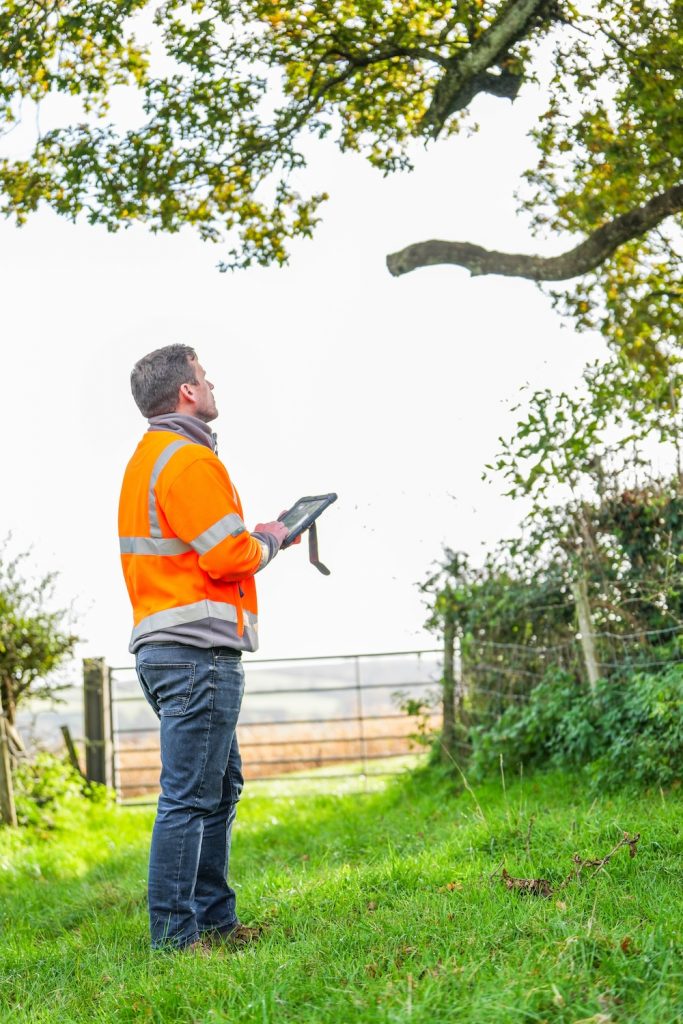
We begin with a detailed inspection carried out by experienced arborists, assessing structural condition, biological value, surrounding land use, and any potential hazards. From this, we develop a bespoke management plan that balances conservation priorities with safety requirements. Interventions for veteran trees are always minimal, proportionate and carefully justified, avoiding unnecessary or aggressive work that could compromise their stability or ecological function.
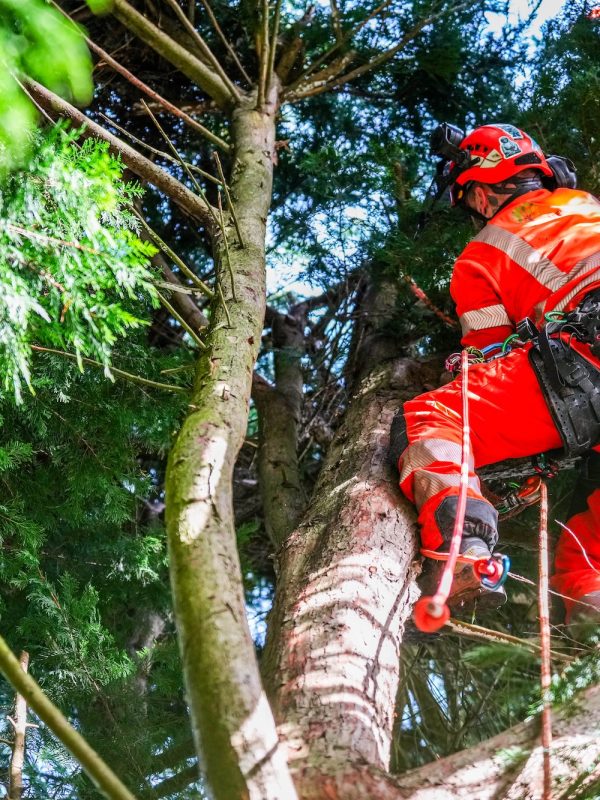
Where works are required, they are often implemented gradually over a phased period. This may include gentle crown reductions to reduce biomechanical loading, selective pruning to alleviate specific risks, or the installation of props, supports or exclusion zones to manage safety while preserving important habitat features. Our approach maintains the tree’s natural character, encourages slow, sustainable decline rather than sudden failure, and supports ongoing ecological value.
All interventions follow BS3998:2010 Tree Work – Recommendations, with a strong emphasis on habitat retention, long-term monitoring and minimal disturbance. Each veteran tree is treated as an individual, with management decisions guided by its age, condition, species characteristics and environmental context.
By combining arboricultural expertise with a conservation-led philosophy, we ensure veteran trees continue to thrive, providing ecological benefits and cultural value for generations to come. Get in touch today!