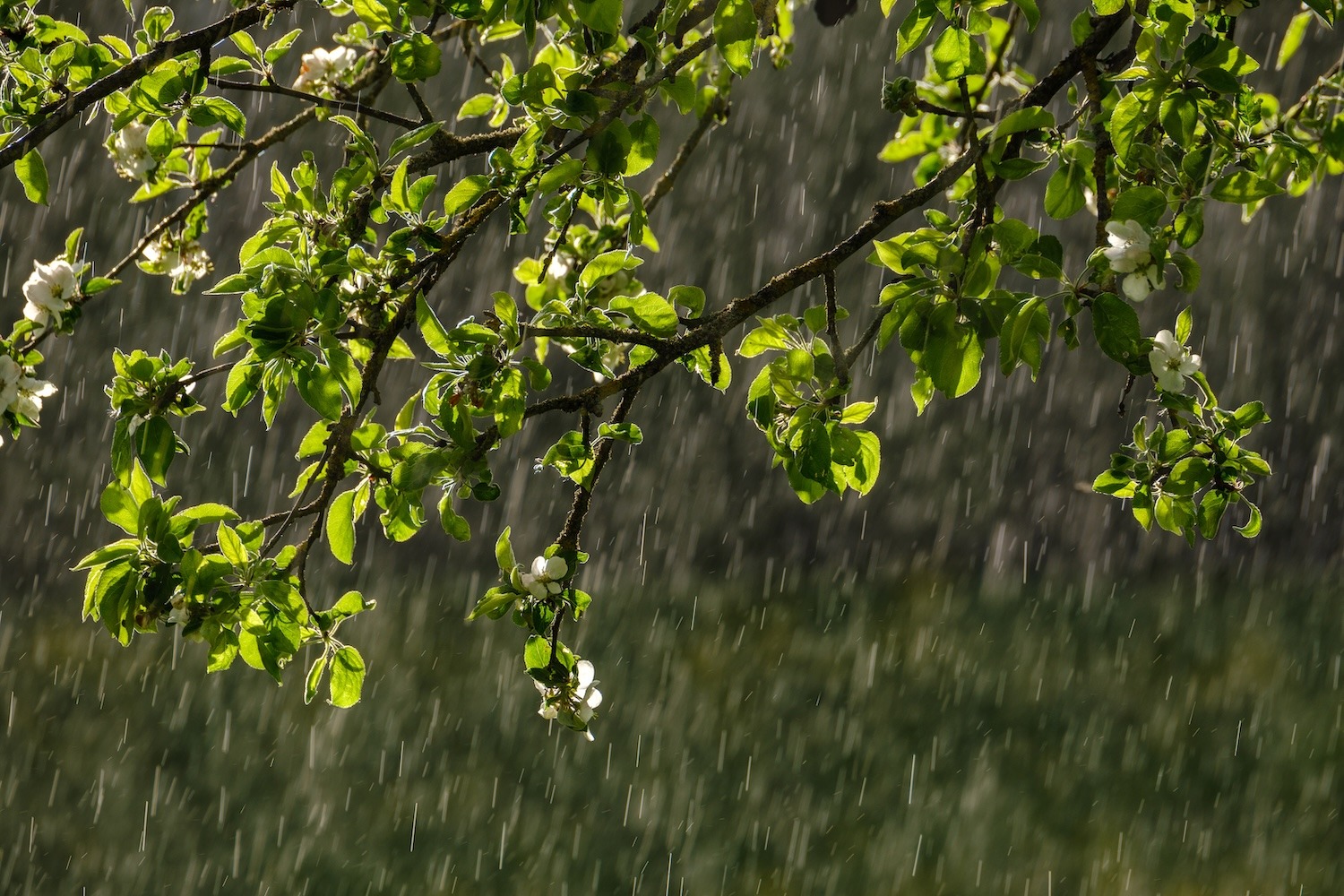
Devon winters are increasingly characterised by high winds, prolonged rainfall, and sudden storm events. Learning how to Storm-Proof Your Trees is one of the most effective ways to reduce the risk of damage to people, property, and the trees themselves. While no tree can be made completely immune to extreme weather, proactive and proportionate management can significantly reduce the likelihood of failure.
At Devon Tree Services, we help homeowners, landowners, and site managers prepare trees for severe weather and respond safely when storm damage occurs, always in line with BS3998:2010 Tree Work – Recommendations.
Why It’s Important to Storm-Proof Your Trees
Storm-related tree failures rarely happen without warning. In many cases, underlying structural weaknesses exist long before high winds expose them. These weaknesses may be subtle, but when combined with saturated soils and wind loading, they can result in uprooting, limb failure, or stem breakage.
Taking steps to Storm-Proof Your Trees helps to:
- Reduce the likelihood of branch or whole-tree failure
- Protect buildings, vehicles, and access routes
- Maintain tree stability and long-term structure
- Fulfil your legal duty of care as a landowner
- Avoid emergency situations that are more costly and disruptive
Preventative tree management is always safer and more cost-effective than reactive intervention.
How to Storm-Proof Your Trees Before High Winds
Preparing trees ahead of storm season is the most effective way to reduce risk. The following measures should ideally be carried out during routine inspections or in advance of forecast severe weather.
Inspect for Structural Weakness
A basic visual inspection can reveal early warning signs that a tree may struggle in high winds. Look for:
- Deadwood, particularly large branches over paths, buildings, or driveways
- Cracks or splits in the trunk or major limbs
- Fungal fruiting bodies on the stem or at the base, which may indicate internal decay
- Areas of previous storm damage that may not have fully stabilised
If any of these signs are present, professional assessment is recommended.
Check Root Stability
Roots are critical to storm resistance. Trees with compromised root systems are far more likely to fail during high winds.
Indicators of root instability include:
- Leaning trunks, particularly if the lean is recent or increasing
- Heaving or cracking soil around the base
- Exposed roots following heavy rain or erosion
- Poor drainage or prolonged waterlogging around the root plate
Root-related issues should always be assessed by a qualified arborist, as below-ground defects are not always obvious.
Reduce Wind Resistance Through Pruning
One of the most effective ways to Storm-Proof Your Trees is through targeted, standards-compliant pruning.
Appropriate pruning objectives may include:
- Crown thinning to reduce wind resistance while maintaining overall crown size
- Deadwood removal to eliminate brittle branches likely to fail
- Selective crown reduction where excessive sail area or structural imbalance exists
All pruning should be carried out in line with BS3998, ensuring cuts are properly positioned and the tree’s ability to compartmentalise pruning wounds is respected.
Address Conflicts with Buildings and Infrastructure
Branches overhanging roofs, power lines, or access routes are particularly vulnerable during storms. Prior to high winds, it may be necessary to reduce or re-balance crowns to provide safe clearance while maintaining natural form.
If trees are protected by a Tree Preservation Order (TPO) or located in a Conservation Area, consent or prior notice may be required before pruning.
How to Storm-Proof Your Trees After High Winds
Once a storm has passed, it’s important to reassess trees promptly, even if no obvious damage is visible.
Identify Immediate Hazards
Post-storm inspections should focus on:
- Split or cracked limbs
- Hanging or partially detached branches
- Sudden changes in lean or canopy position
- Root plate movement or soil disturbance
- Damage caused by fallen neighbouring trees
These defects can pose an immediate risk and may worsen without intervention.
Avoid DIY Tree Work
Storm-damaged trees are often unstable and unpredictable. Limbs may be under tension, and compromised root systems can fail without warning. Attempting DIY pruning or removal in these conditions significantly increases the risk of injury.
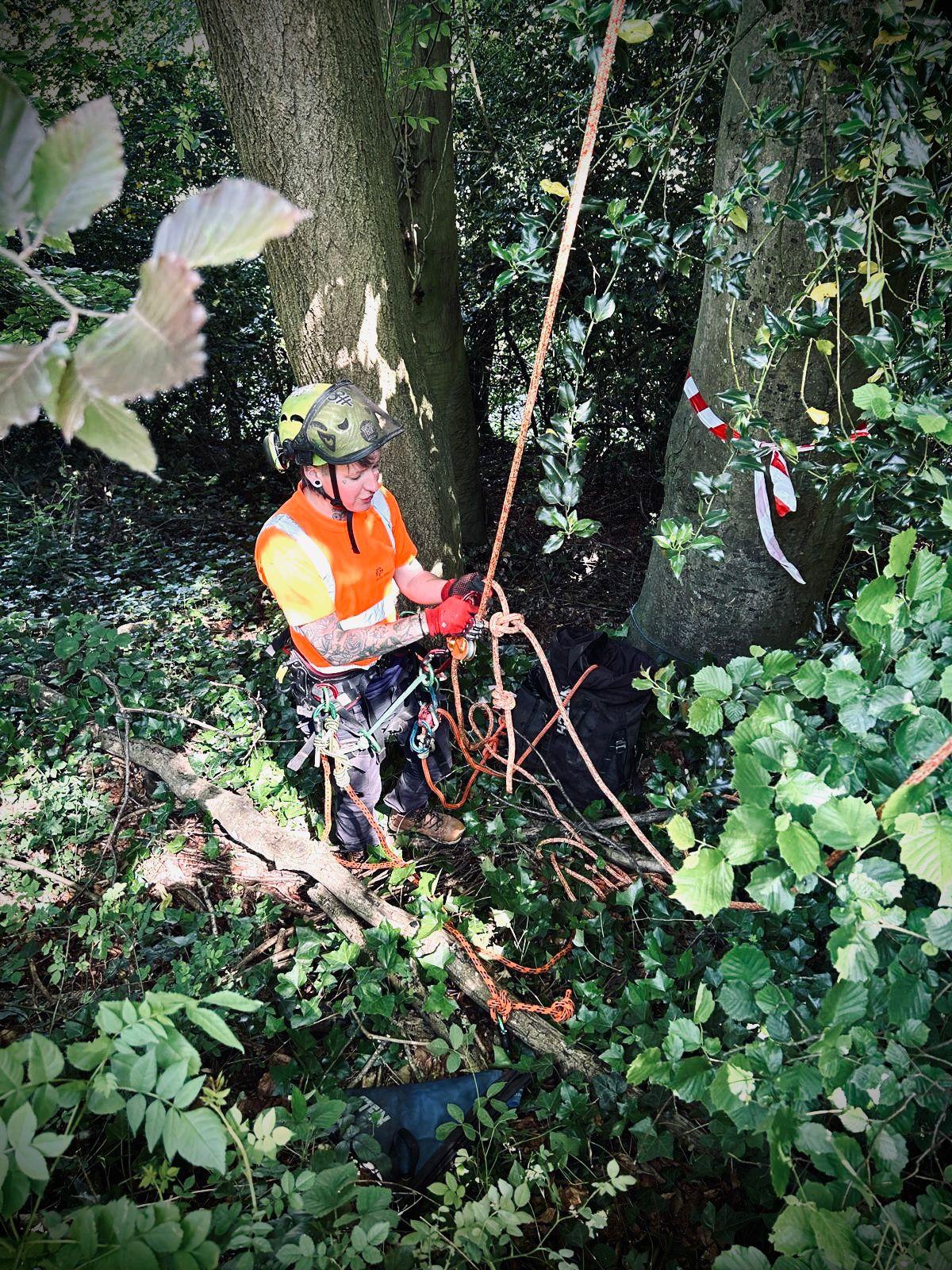
Professional assessment ensures that damaged trees are stabilised or dismantled safely using appropriate equipment and rescue planning.
Seek Professional Emergency Assistance
If a tree poses an immediate risk following a storm, contacting a professional emergency tree service is essential. Devon Tree Services provides rapid-response callouts to assess, make safe, or remove storm-damaged trees where necessary.
All emergency works are carried out proportionately, with detailed documentation provided for insurance or local authority requirements where applicable.
Legal and Safety Responsibilities
As a landowner, you have a duty to manage trees so that reasonably foreseeable risks known to you are addressed. Following storms, failing to inspect or act on visible damage may expose you to liability if an incident occurs.
Where trees are protected, emergency works may be undertaken to remove immediate risk of serious harm, but local authorities must be notified as soon as practicable afterwards.
All work undertaken by Devon Tree Services complies with BS3998:2010 and relevant environmental legislation, including wildlife protections.
Long-Term Strategies to Storm-Proof Your Trees
Storm resilience is not achieved through one-off interventions. Long-term strategies include:
- Species-appropriate pruning cycles
- Early formative pruning of young trees
- Ongoing tree risk assessments
- Avoiding soil compaction and root disturbance
- Selecting appropriate species for exposed locations
These measures help ensure trees develop strong architecture and stable root systems capable of withstanding severe weather.
Storm-Proof Your Trees with Devon Tree Services
Whether you want to prepare trees ahead of winter or need urgent assistance following storm damage, Devon Tree Services offers expert, reliable support across Devon.
Our services include:
- Pre-storm inspections and pruning
- Emergency storm damage response
- Tree risk assessments
- TPO and Conservation Area advice
- Long-term tree management planning
To discuss how to Storm-Proof Your Trees, contact our team today.
Phone: 01803 814126
Email: info@devontreeservices.co.uk