Project Overview
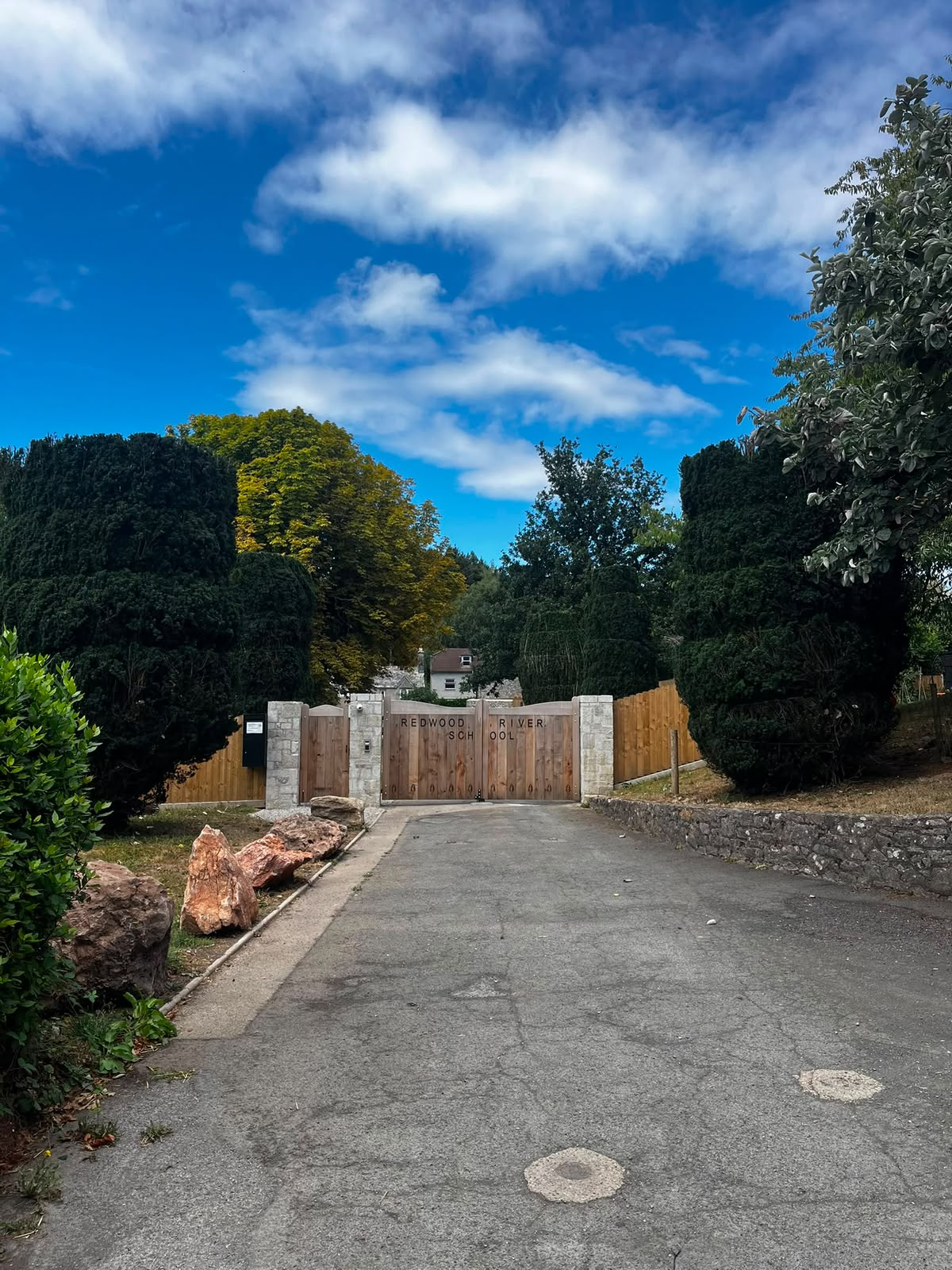
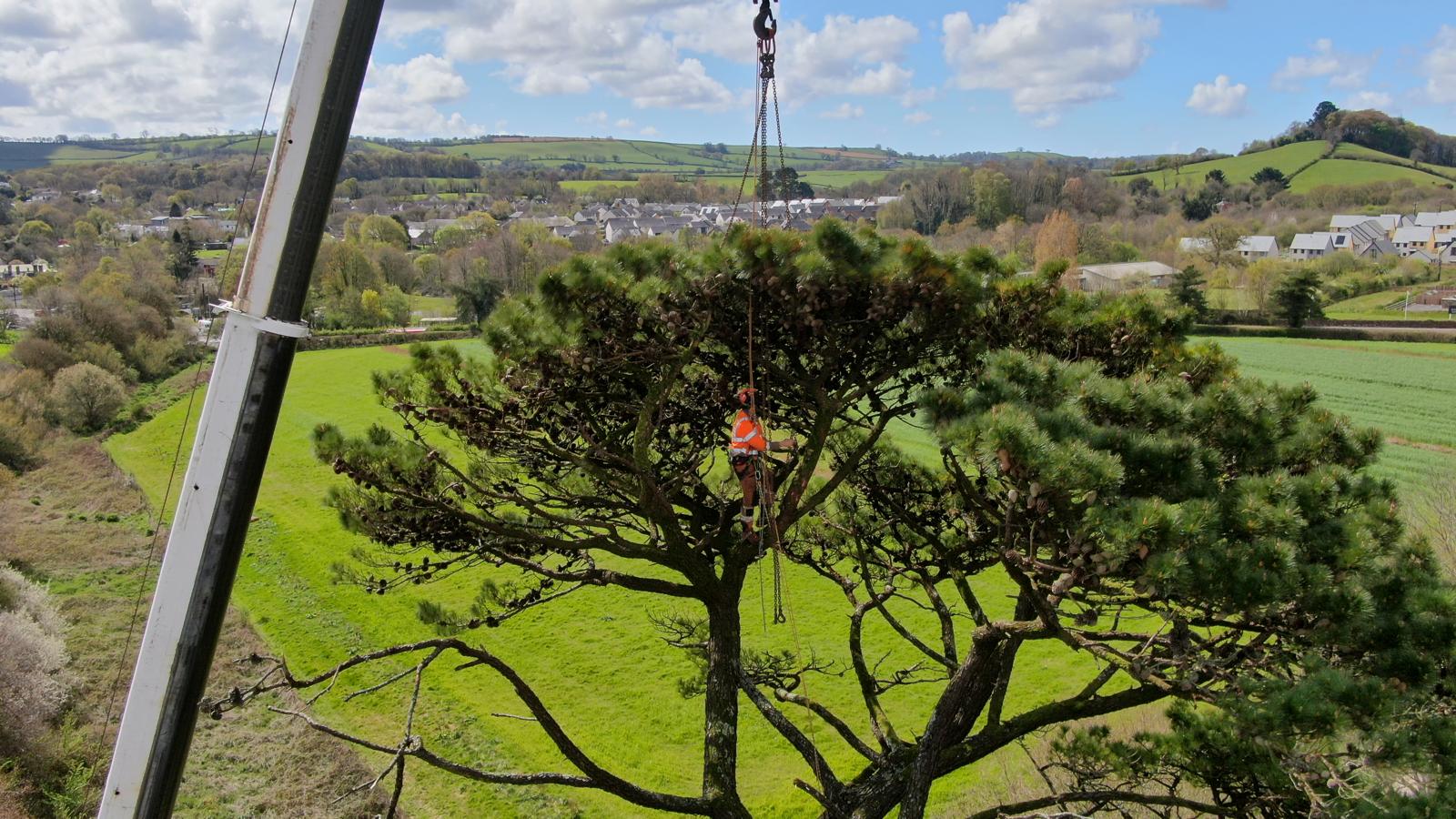
We were instructed by a school in Dartington to inspect trees across the site following concerns about a mature Monterey pine (Pinus radiata) located adjacent to play areas, car parking, and key pedestrian and vehicle access routes. During our inspection we identified a fungal fruiting body at the base of the pine, indicating possible basal and root decay and a potential reduction in structural stability. Given the size of the tree, species‑specific failure characteristics of Monterey pine and the range of high‑occupancy targets beneath its crown, we recommended further investigation to support a robust, defendable tree risk assessment.
Challenges
The Monterey pine was a prominent landscape feature and contributed significantly to the character of the school entrance and outdoor spaces, meaning any recommendation to remove it would be highly sensitive. The tree stood within falling distance of children’s play areas, staff and visitor parking, and busy pedestrian and vehicle access routes, so any structural failure could have resulted in serious injury or significant property damage. Following complaints from members of the public, the local council imposed a Tree Preservation Order (TPO) on the pine, preventing its removal without formal consent and requiring clear, evidence‑based justification.
Our investigation and approach
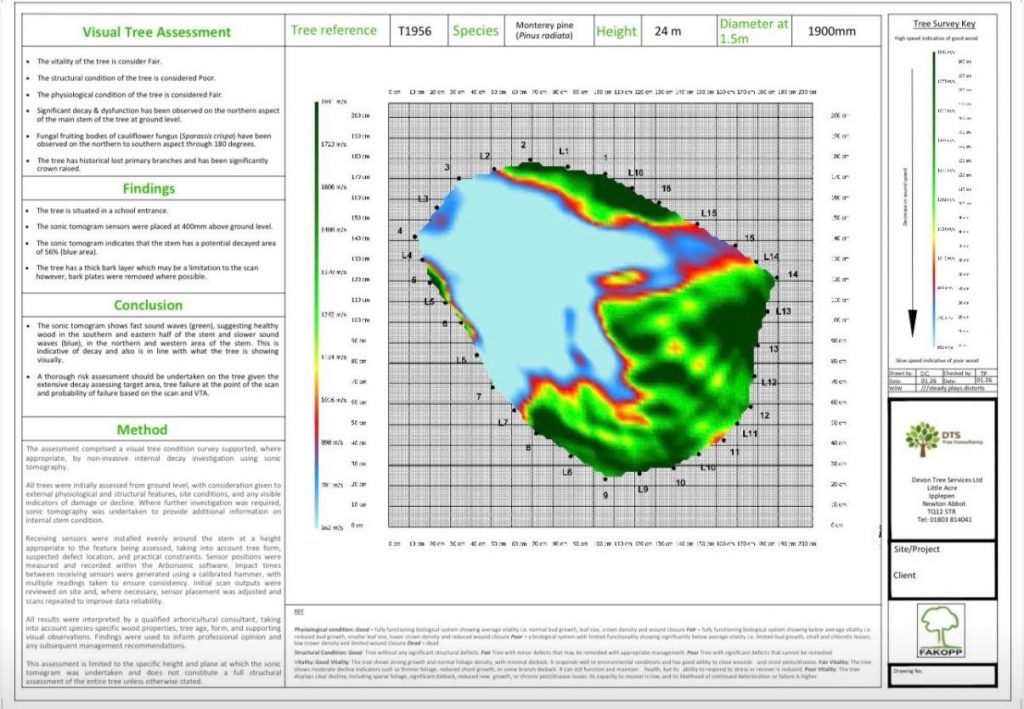
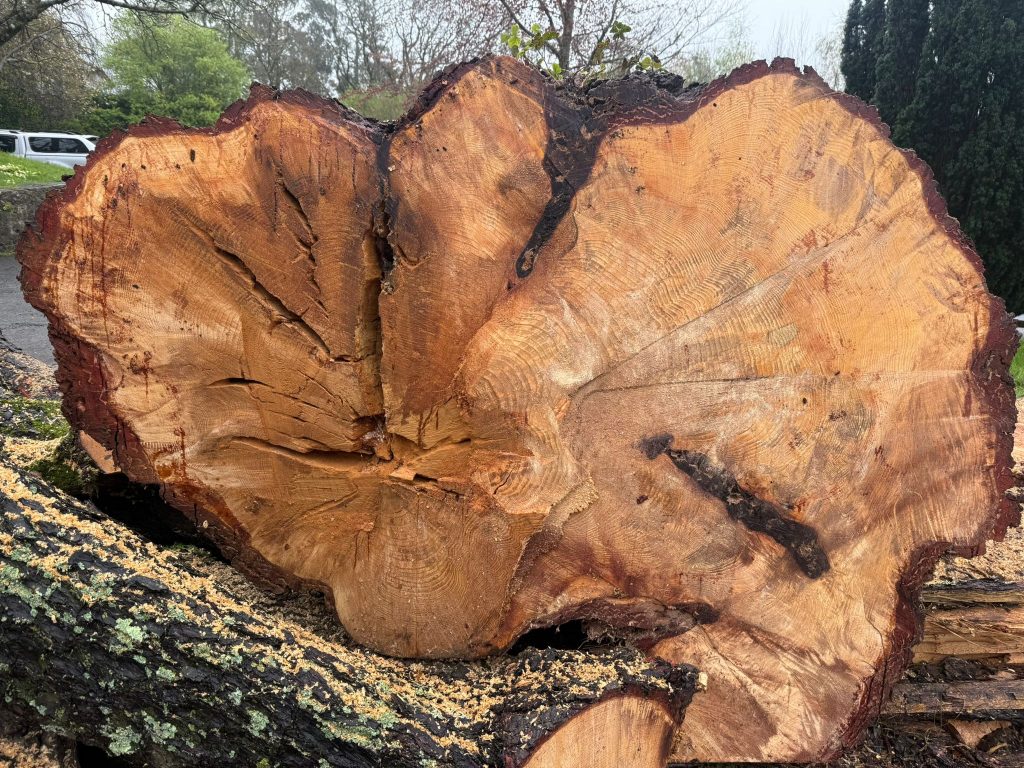
To inform our risk assessment, we undertook a targeted root investigation around the base of the tree, which revealed reduced structural integrity within parts of the root system and an increased likelihood of failure under wind load. Taking account of the tree’s condition, species, exposure and the high‑value targets below, we advised the client that removal, combined with planned replacement planting, was the most appropriate option to manage risk and secure long‑term canopy cover. After the TPO was served, we objected and submitted a detailed application to fell and replant, and at the Tree Officer’s request we carried out a tomographic scan of the lower stem to quantify internal decay at the base. The tomography data, root investigation findings, photographs and a balanced, documented risk analysis were compiled into a comprehensive report to support the felling application.
Outcome
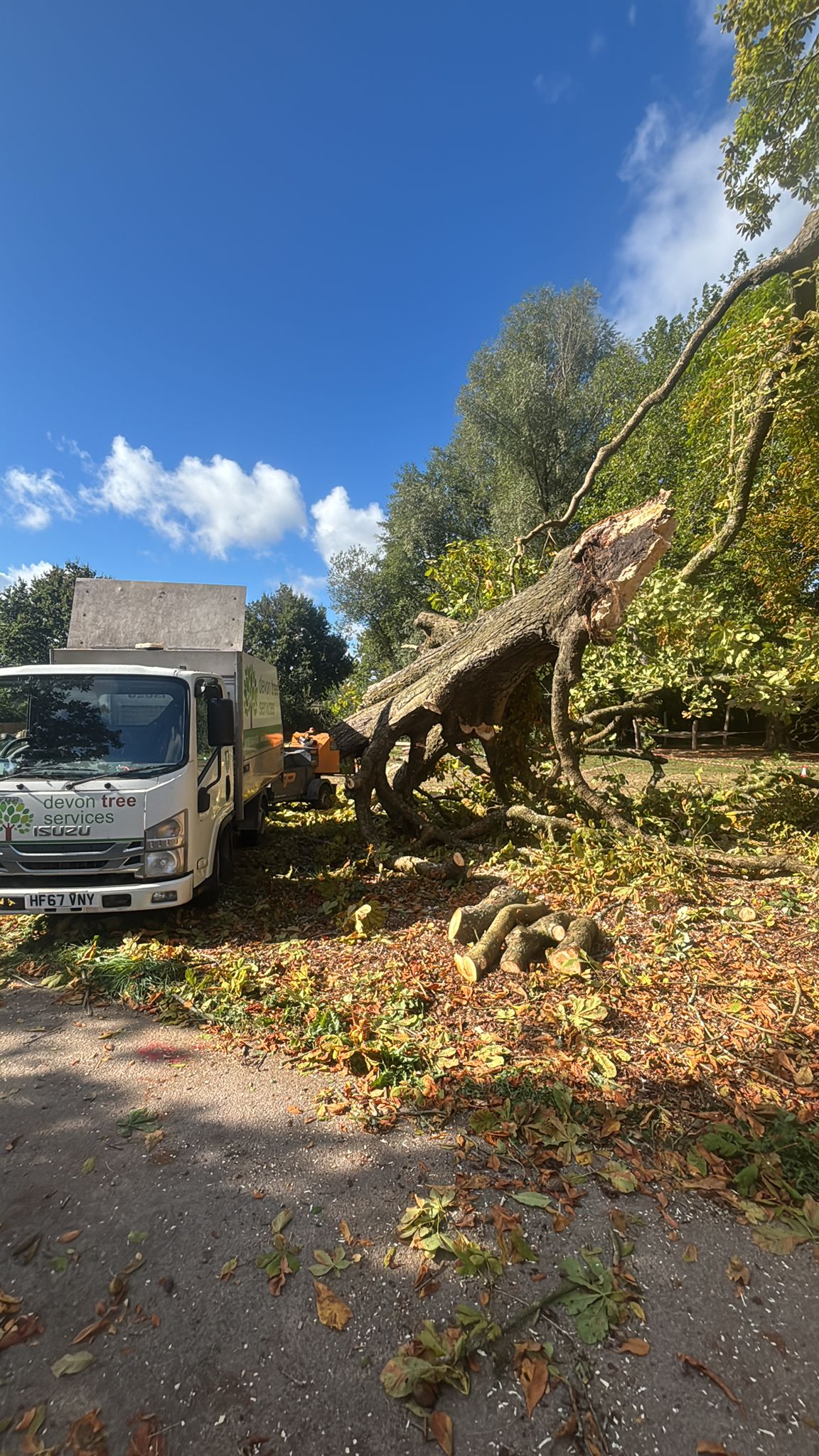
The council reviewed the evidence and accepted that, in its current position and condition, the Monterey pine presented an unacceptable level of risk over the short to long term and could not reasonably be retained above such intensively used areas. Consent was granted to fell the tree subject to replanting, and the Tree Officer wrote to confirm approval, complimenting our submission with the comment: “Good report btw and balanced risk analysis from your team.” The school welcomed the decision and the proposed succession planting, recognising that the works delivered a defensible balance between safeguarding, legal compliance and the long‑term visual quality of the site. The project concluded with the safe removal of the defective tree, installation of replacement planting and a fully documented audit trail demonstrating reasonable, proportionate risk management for high‑occupancy school zones.
Benefits to the client
- Evidence‑led tree risk management that can withstand scrutiny from regulators, parents, governors and the wider community.
- Successful navigation of the TPO process, securing consent for felling and replanting despite initial public objection.
- Substantial reduction in risk of harm and liability from potential structural failure of a large conifer over play areas, car parks and main access routes.
- Positive feedback from the Local Planning Authority, reinforcing the school’s reputation for responsible management of its tree stock.