Tree Care Technology in Devon is changing how trees are inspected, managed and documented. In 2026, modern arboriculture combines practical experience with digital mapping, specialist equipment, drones and increasingly sophisticated methods of collecting and managing tree data.
For homeowners, landowners, estate managers and developers, these advances can provide clearer information about their trees and stronger evidence behind management decisions.
Technology does not replace the knowledge and judgement of an experienced arborist. Instead, it gives professionals better ways to collect evidence, monitor change, plan work and communicate recommendations.
Tree Care Technology in Devon and Digital Surveys
One of the biggest changes in professional tree management has been the move away from handwritten notes and disconnected spreadsheets towards digital tree management systems.
During a modern tree survey, information can be recorded directly on a tablet or mobile device while the arborist is on site.
Depending on the type of survey, this might include:
- Tree species and dimensions
- Physiological and structural condition
- Identified defects
- Photographs
- Location data
- Recommended management works
- Priority levels
- Suggested inspection intervals
For properties with multiple trees, individual trees can also be plotted digitally to create a clear tree inventory.
This is particularly useful for estates, schools, commercial sites, holiday parks, housing developments and other organisations responsible for managing larger tree populations.
If you are responsible for multiple trees and need professional advice, our Tree Consultancy services can provide structured assessments and ongoing management recommendations.
Better Digital Records for Tree Risk Management
Digital records are not simply more convenient. They can form an important part of responsible tree management.
The National Tree Safety Group encourages a proportionate approach to tree risk, with management focused according to factors such as tree condition and how frequently the surrounding area is used.
A digital management system makes it easier to demonstrate this process.
Records can show:
- When a tree was last inspected
- What was observed
- Whether further investigation was recommended
- What management work was specified
- When that work was completed
- When the tree should next be reviewed
This creates a useful audit trail and helps landowners demonstrate that tree risk is being considered and managed reasonably rather than reactively.
For further guidance on proportionate tree risk management, the National Tree Safety Group provides resources for tree owners and managers.
Tree Care Technology in Devon for Mapping
GPS and digital mapping allow tree information to be viewed spatially rather than relying solely on written descriptions.
Instead of trying to identify “the third oak beyond the car park”, individual trees or groups can be plotted on a map and linked directly to their inspection records.
This makes it easier to coordinate:
- Inspections
- Tree surgery
- Site access
- Planning work
- Development proposals
- Long-term management
It is particularly valuable where several contractors, consultants or members of staff need to access the same information.
Rather than starting again each time somebody visits the site, a management history can be maintained for individual trees.
Drone-Assisted Tree Surveys
Another development within Tree Care Technology in Devon is the use of drones to support certain tree and site inspections.
Trees are three-dimensional structures, and some potential concerns can be difficult to observe properly from ground level. Traditionally, obtaining a closer view of the upper crown could require a climbing inspection or specialist access equipment.
Drone-assisted surveys can provide another option in suitable circumstances.
High-resolution imagery can help arborists examine:
- Upper crowns
- Large branch unions
- Storm-damaged sections
- Inaccessible parts of a tree
- Trees growing on steep or difficult terrain
Drones can also provide useful overview images of groups of trees, woodland edges and larger sites.
Can Tree Care Technology in Devon Replace Climbing?
No. Drone imagery is another source of information rather than a replacement for professional judgement or close inspection where one is required.
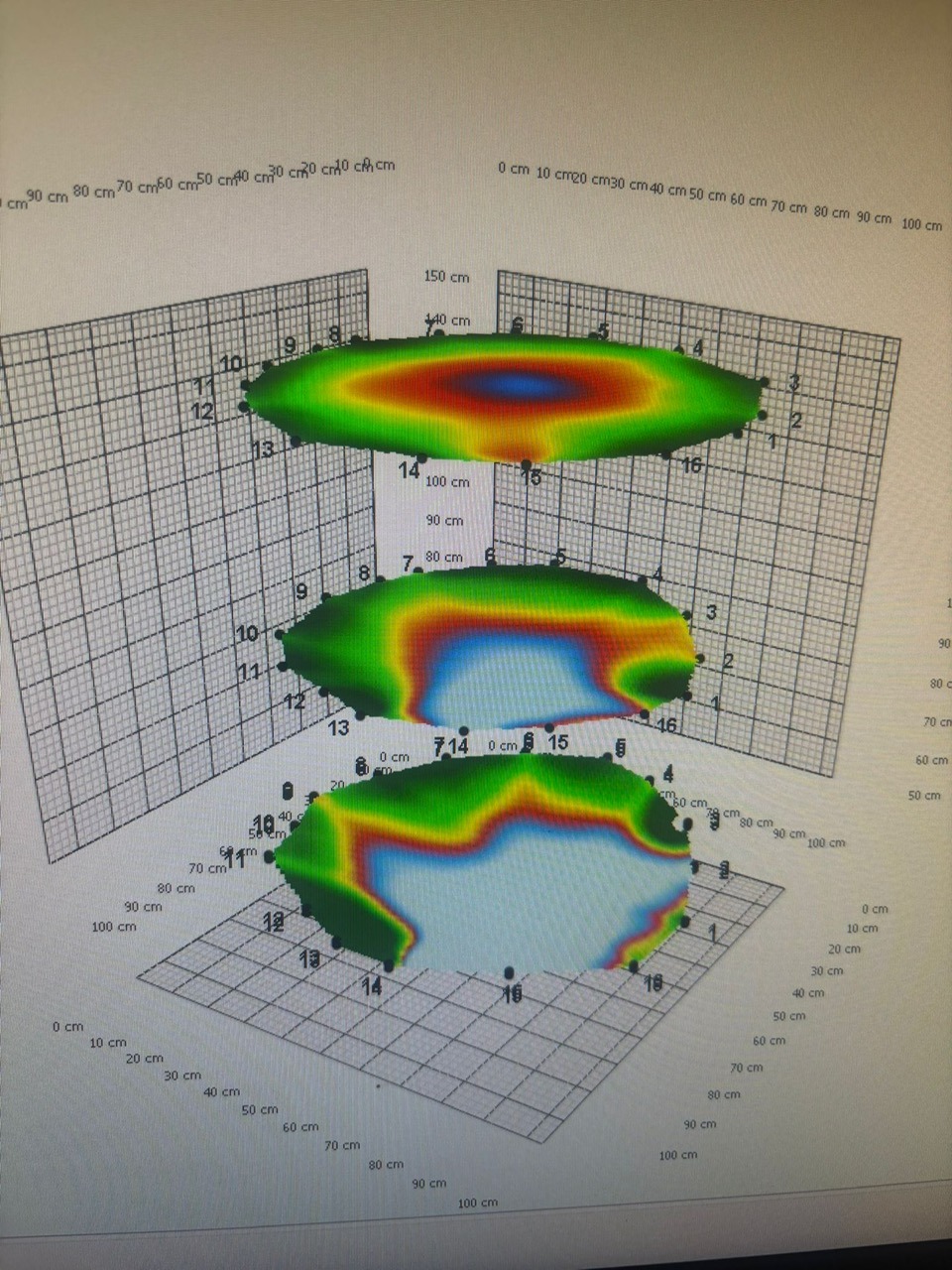
There are situations where an arborist needs to physically inspect a feature, examine decay more closely, take measurements or carry out further diagnostic investigation.
Weather, visibility, surrounding infrastructure and legal restrictions can also determine whether drone use is appropriate.
Where conditions allow, however, drones can provide a valuable additional perspective and potentially reduce unnecessary exposure to difficult access situations.
The objective is not to use technology for the sake of it. It is to choose the safest and most appropriate inspection method for the question that needs answering.
Tree Care Technology in Devon and BS5837 Surveys
Technology is also changing how trees are considered during planning and development.
BS5837:2012 Trees in Relation to Design, Demolition and Construction – Recommendations remains central to assessing trees on development sites.
Modern digital surveying and mapping can make it much easier to integrate arboricultural information into the wider design process.
Tree survey information can be incorporated into plans showing:
- Tree locations
- Crown spreads
- Tree categories
- Root Protection Areas
- Development constraints
- Tree protection requirements
This allows architects, engineers, planning consultants and arboricultural specialists to work from coordinated information.
Better Information for Development Design
The earlier accurate tree information enters the design process, the better.
Rather than completing a development layout and discovering afterwards that buildings, roads or services conflict with important trees, digital tree constraints can be considered from the beginning.
This can help developers identify:
- Which trees should be prioritised for retention
- Where Root Protection Areas constrain development
- Potential conflicts with foundations or services
- Suitable locations for new planting
- Where specialist construction methods may need consideration
The result can be fewer redesigns, stronger planning applications and developments that integrate existing trees more successfully.
Technology therefore has the greatest value when it supports better decisions, rather than simply producing more data.
Modern Tree Management and Insurance
Tree-related incidents can also have implications for property insurance, particularly where trees are close to buildings, vehicles or other valuable assets.
Potential concerns can include:
- Storm-related failures
- Falling branches
- Structural damage
- Subsidence allegations
Where concerns arise, having a documented history of inspections and management can provide useful evidence of how the trees have been looked after.
It does not guarantee that a tree will never fail. Trees are living structures, and it is impossible to eliminate all risk.
What good records can demonstrate is that tree management decisions were based on appropriate inspections, identified risks and proportionate action.
Technology Is Changing Tree Work Itself
It is not only surveying and reporting that have advanced.
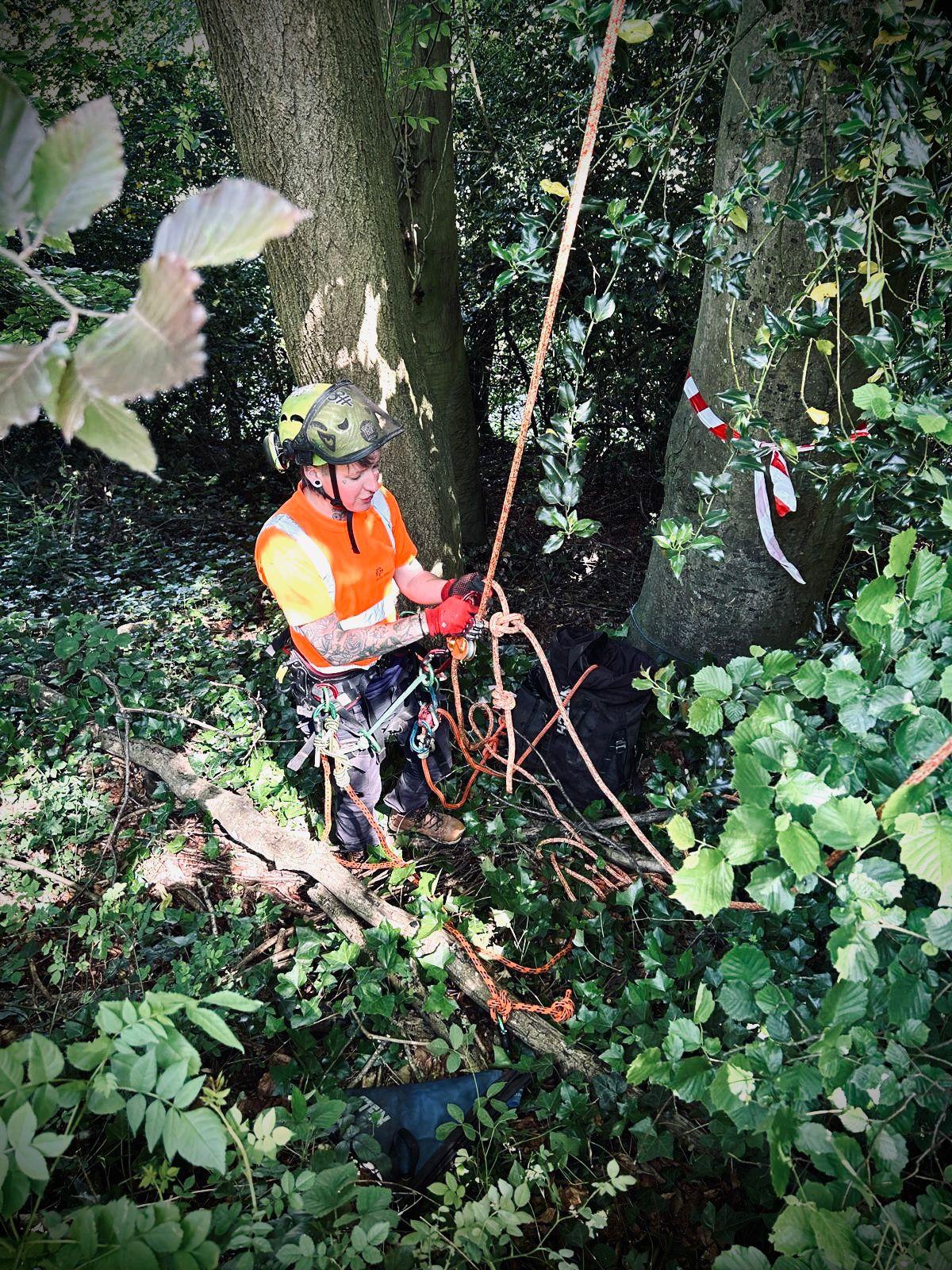
Modern tree surgery increasingly makes use of specialist equipment and mechanical assistance to improve safety and efficiency.
Depending on the site and operation, this can include:
- Mobile elevated work platforms
- Modern climbing systems
- Specialist rigging equipment
- Mechanical winches
- Wood processing equipment
- Machinery for moving timber
- Improved communication equipment
Appropriate equipment can allow complex tree work to be completed with greater control and reduced impact on surrounding property.
This is particularly important on confined residential sites, alongside roads or around valuable buildings and landscaping.
Tree Care Technology in Devon Still Needs Expertise
With all of these developments, there is an important point to remember: technology remains a tool.
An app can record a defect. A drone can photograph a branch union. GPS can tell you where a tree is. Software can remind you when another inspection is due.
None of these independently determine the correct management decision.
That still requires an understanding of:
- Tree biology
- Structural condition
- Species characteristics
- Site usage
- Environmental value
- Risk
- Relevant legislation
- Appropriate arboricultural interventions
Modern arboriculture works best when good technology is combined with experienced professional judgement.
What Tree Care Technology in Devon Means for Clients
For homeowners, landowners, estates and developers, these changes provide several practical benefits.
Modern tree management can offer:
- More accurate and traceable information
- Clearer inspection records
- Better long-term monitoring
- Improved coordination between professionals
- More efficient management of large tree populations
- Stronger evidence behind management decisions
- Better planning of complex tree work
Most importantly, it provides greater clarity.
Instead of simply being told that a tree “looks dangerous” or “needs cutting back”, clients can be given a documented explanation of what has been observed, what action is recommended and why.
Professional Tree Care Technology in Devon
Tree care in 2026 increasingly combines traditional arboricultural knowledge with better information and more capable equipment.
Digital surveys, GPS mapping, drone-assisted inspections and modern site equipment are helping professionals understand trees more effectively, document decisions and manage work with greater precision.
However, the principle behind good tree care has not changed.
The aim remains to make proportionate, informed decisions that protect people and property while retaining the benefits of trees wherever reasonably possible.
At Devon Tree Services, we combine experienced arboricultural judgement with modern Tree Care Technology in Devon to support homeowners, landowners, estates and developers. From individual tree assessments to larger inventories, planning surveys and ongoing management, our approach is based on clear evidence, appropriate technology and practical professional advice.