Successful planning starts with understanding the site and keeping the right people talking.
For this development project in Plymouth, Devon Tree Services provided arboricultural consultancy from the initial tree survey through to the documents supporting a successful planning application.
Phase 1: Understanding the site
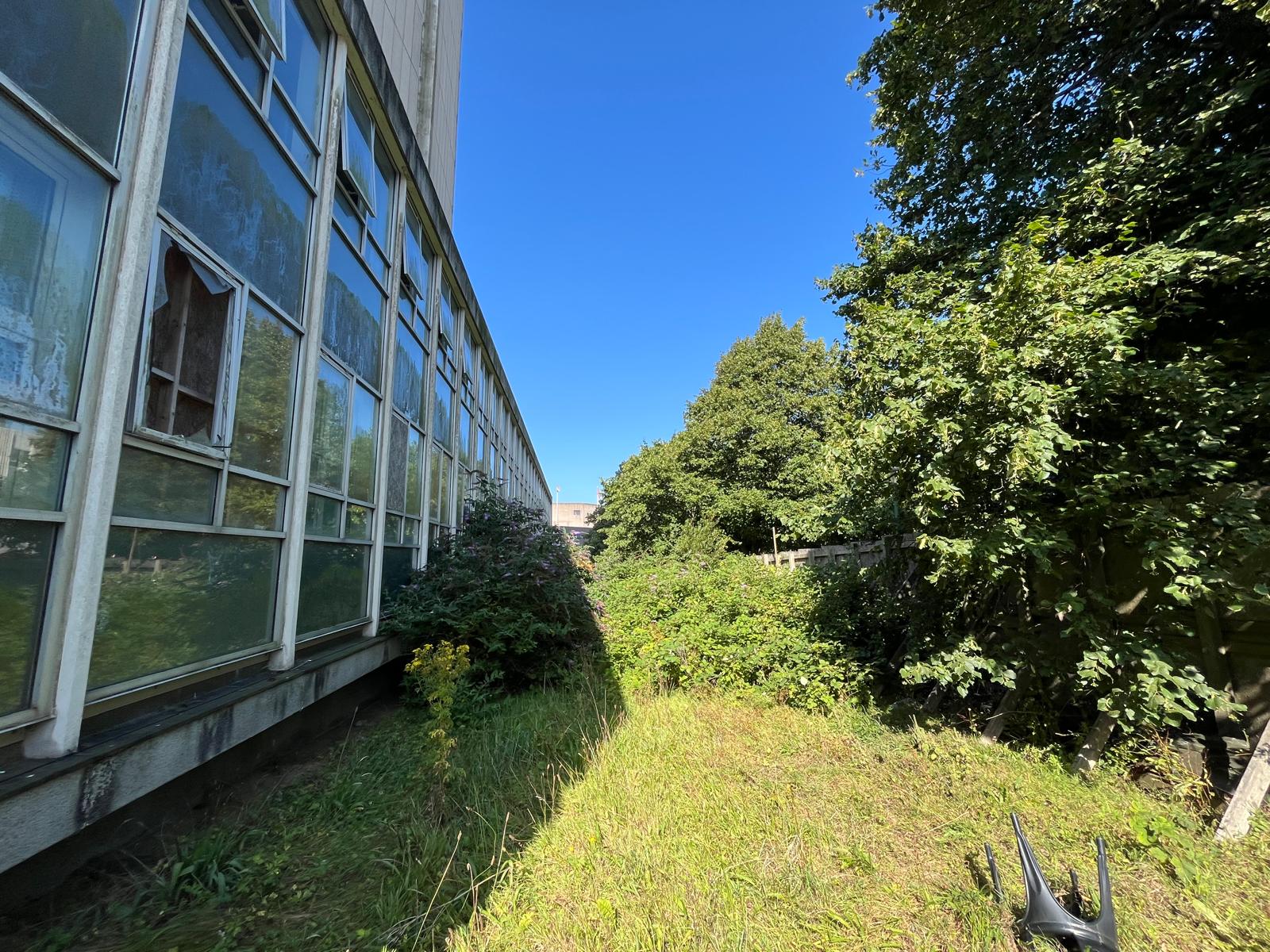
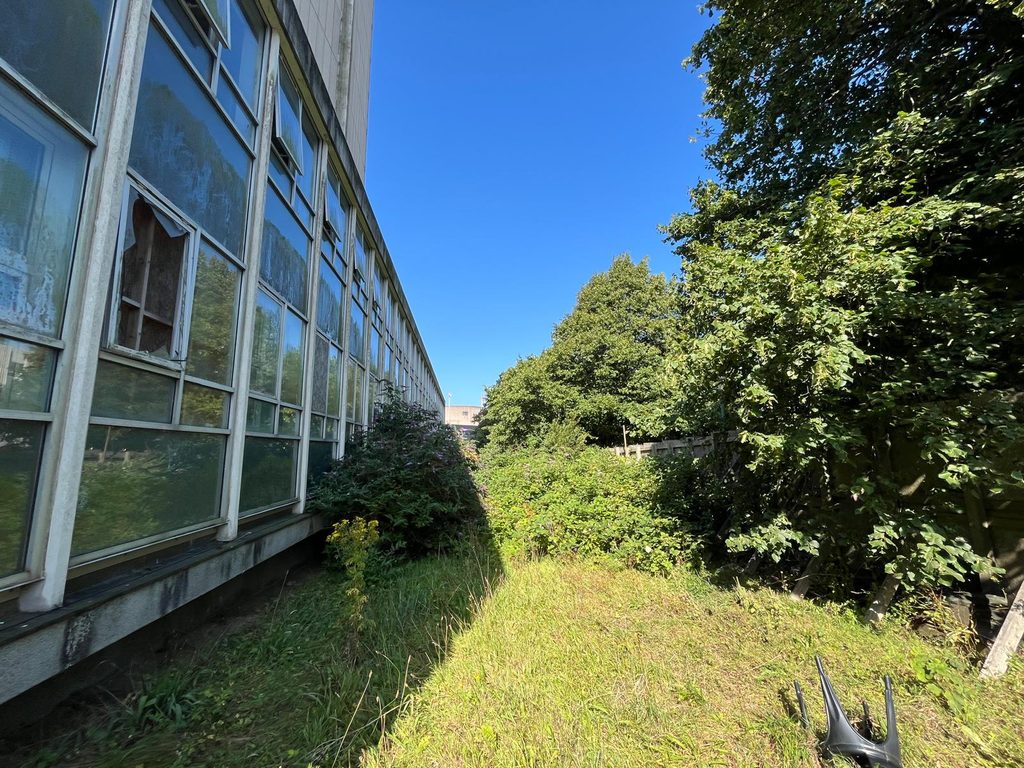
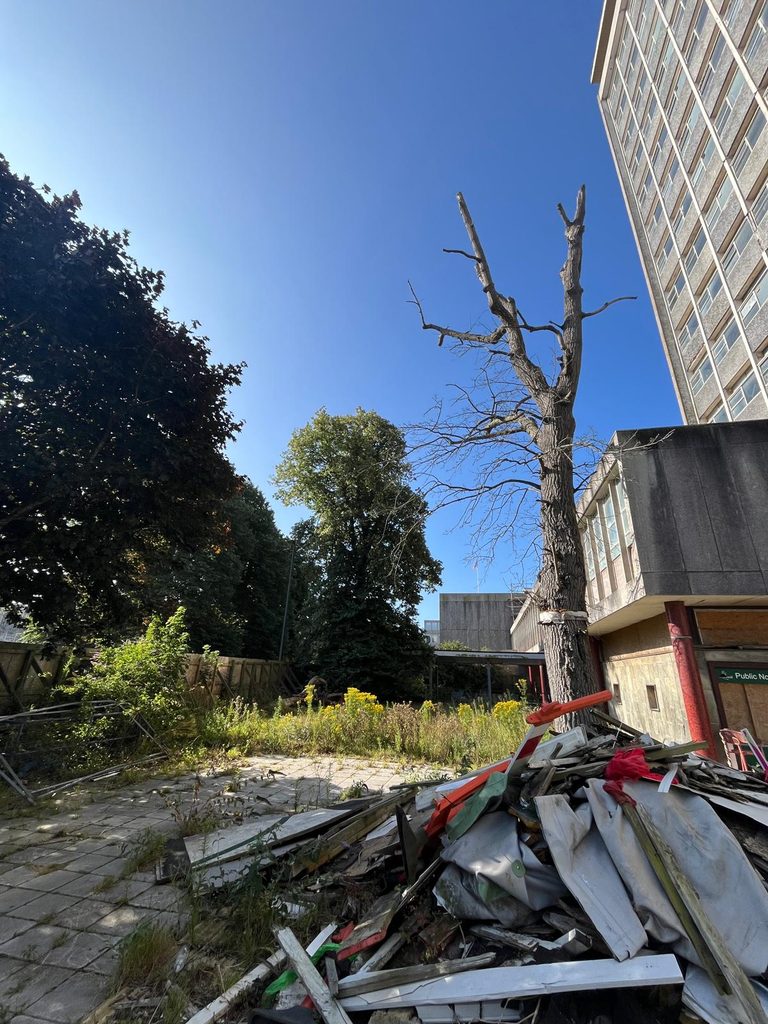
Our first step was a site survey to assess the trees and assign quality categories in line with BS5837.
With asbestos present in the building, the survey also required detailed risk assessments and method statements (RAMS). We prepared these to address the site-specific requirements before undertaking our survey work.
This initial phase gave the design team a clear picture of the trees on site and a basis for considering them as the proposals developed.
Working with the design team
Communication was an important part of the project. We took part in design team meetings alongside architects, town planners, ecologists and landscape architects, helping to keep tree-related considerations connected with the wider design.
As the proposals changed, we reviewed and revised our documents to reflect the updated layout.
Phase 2: Supporting the planning application
We prepared the three key arboricultural documents:
- Arboricultural Impact Assessment — setting out how the proposed development would affect the trees, including any proposed losses.
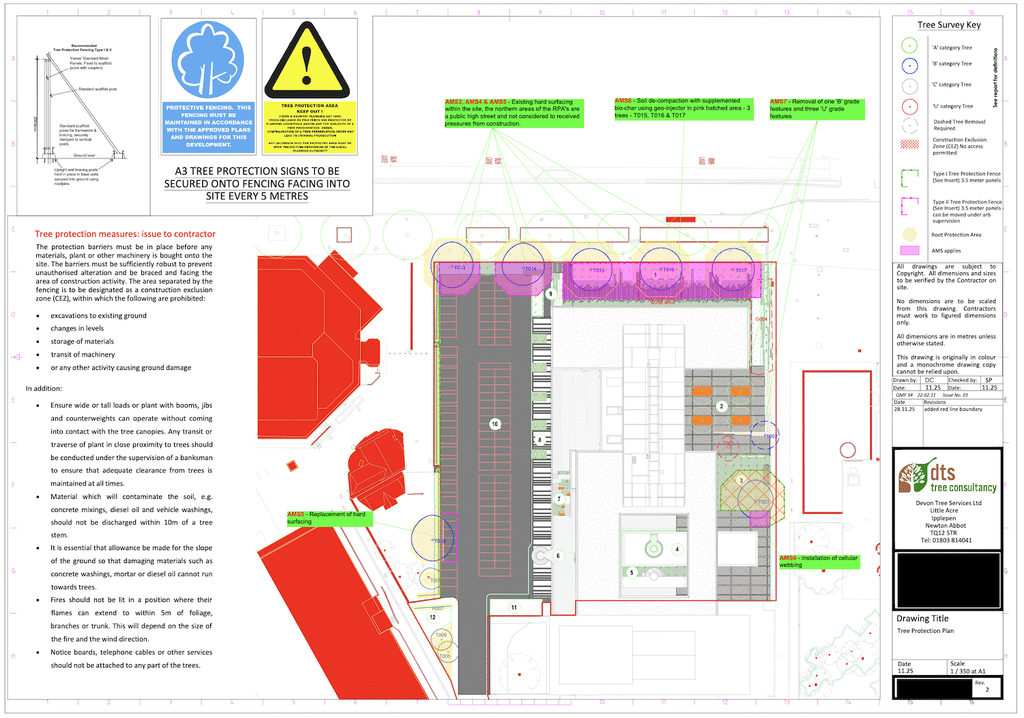
- Tree Protection Plan — showing the protection arrangements for trees to be retained during construction.
- Arboricultural Method Statement — explaining how relevant works would be carried out while protecting retained trees.
Together, these documents set out the relationship between the proposed development and the existing trees, making the impacts and protection measures clear.
The outcome
Despite tight timescales, we delivered the documents on time and completed the relevant revisions when the design changed.
Planning permission was successfully achieved, supported by our comprehensive arboricultural documentation and ongoing input throughout the design process.
From the first survey to the final revisions, this project demonstrates the value of clear advice, responsive communication and a coordinated approach to tree planning.Why is communication with the design team important?
Tree protection needs to be considered alongside the proposed buildings, access, landscaping and construction activities. Sharing arboricultural information early helps the team identify conflicts and coordinate the design.
On this project, we worked with architects, town planners, ecologists and landscape architects, keeping our advice aligned with the evolving proposals.
What happens if the design changes?
The arboricultural documents need to be reviewed against the revised proposals. Changes to the layout may affect which trees can be retained, the impacts on their rooting areas or the protection measures required.
For our Plymouth client, we completed the relevant revisions as the design developed, while working to tight submission timescales.
Can you work on sites with additional safety requirements?
On this project, asbestos in the building meant detailed risk assessments and method statements were required for our survey work. We prepared site-specific RAMS to address those requirements.
These survey RAMS were separate from the Arboricultural Method Statement prepared later to explain how retained trees would be protected during construction.