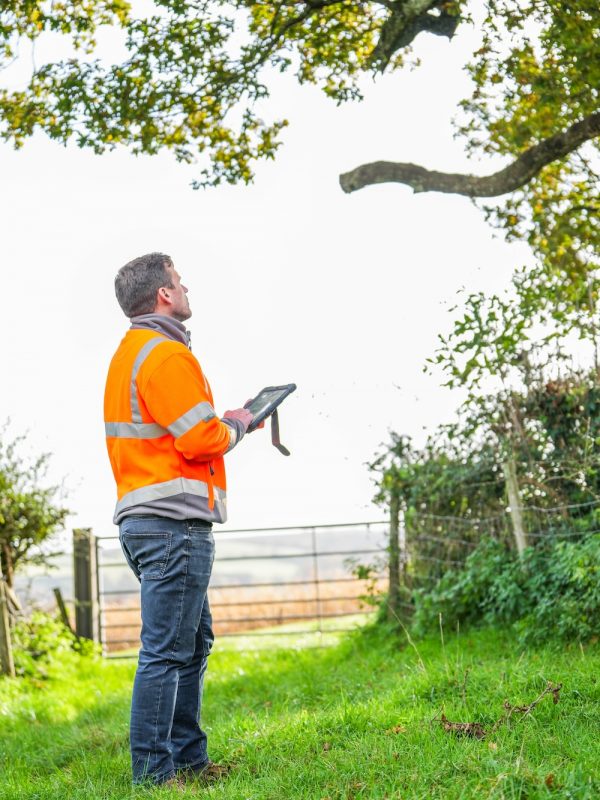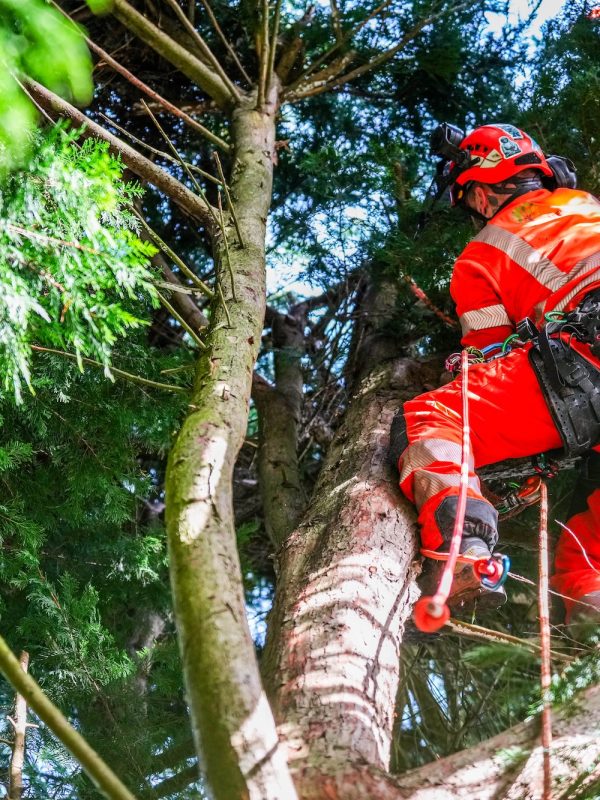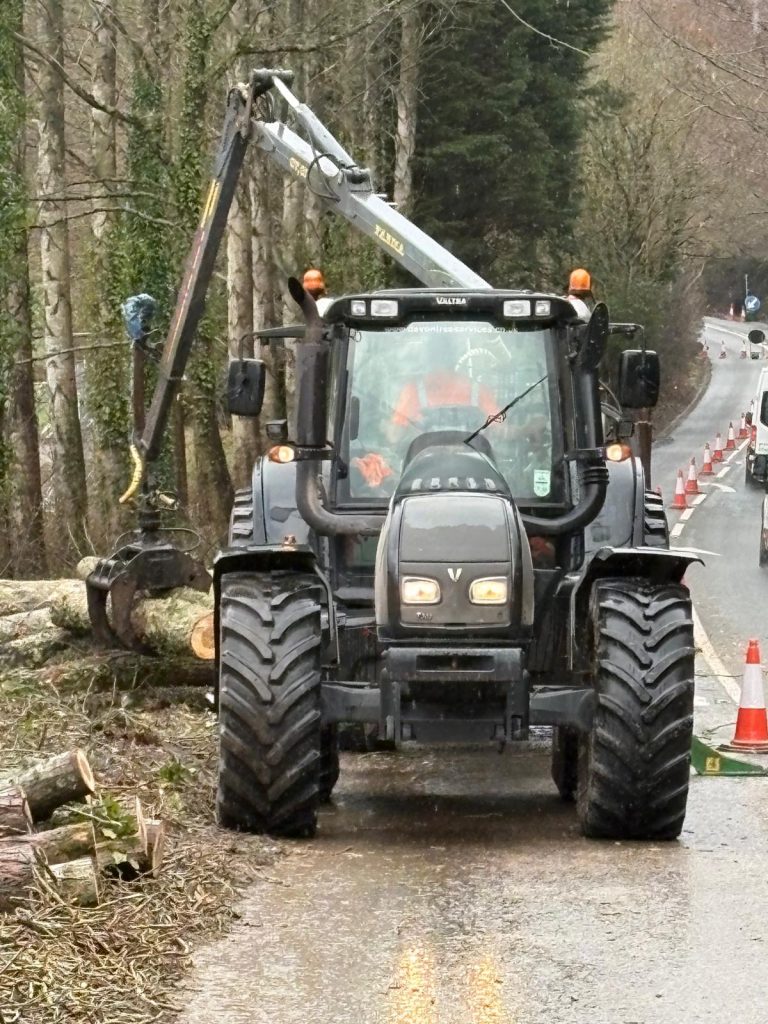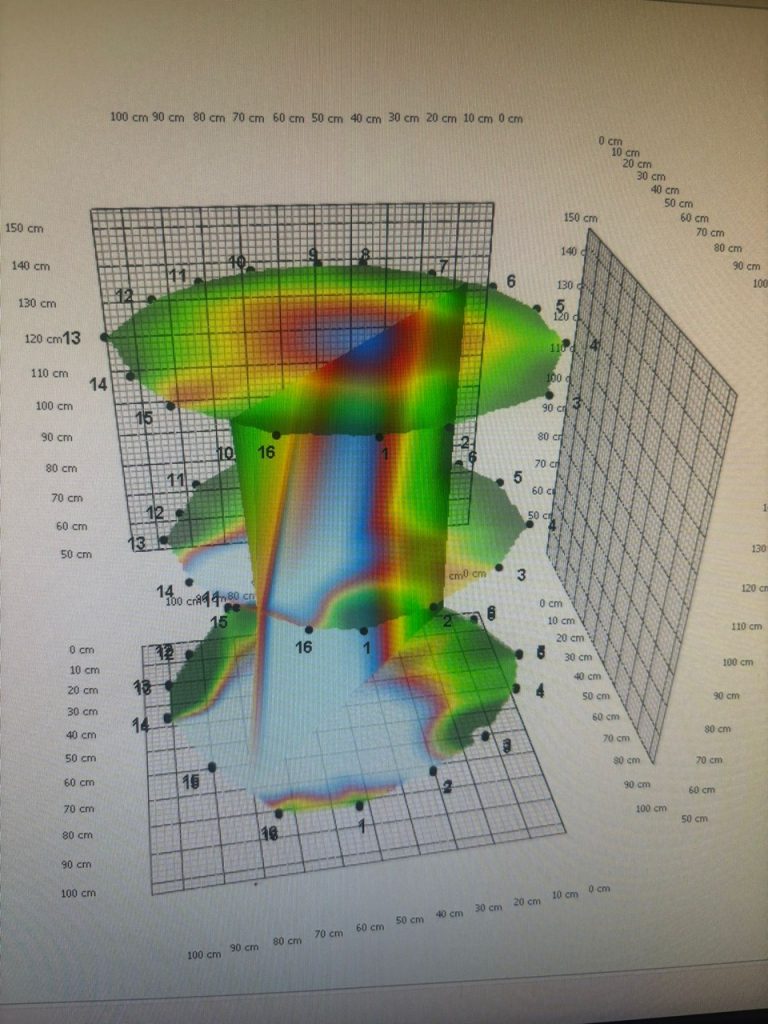
Arboricultural Impact Assessments (AIA) examine how a proposed development may affect existing trees, both on the site and within influencing distance. Prepared in accordance with BS 5837:2012, the AIA evaluates direct impacts—such as root severance, soil compaction, canopy pruning, or physical damage—as well as indirect impacts, including changes to soil conditions, drainage patterns, future shading issues, and long-term structural pressures.
The assessment identifies any conflicts between the proposed layout and the trees identified for retention, analysing how construction processes, access routes, services installation, and landscaping may affect tree health, stability and viability. By understanding these relationships early, project teams can prevent avoidable damage and plan proactively.
A crucial part of the AIA is the development of mitigation strategies. These may include adjusting building footprints or path alignments, modifying levels, using alternative foundation systems, amending drainage layouts, or implementing enhanced tree protection measures. Mitigation also incorporates recommendations for working methods within or near Root Protection Areas (RPAs), ensuring retained trees continue to thrive after construction.
An AIA provides planning authorities with clear evidence that tree-related risks have been fully considered and responsibly managed. Demonstrating a thoughtful approach to tree retention and protection helps facilitate smoother planning approvals and contributes to sustainable, well-designed development. Our AIAs are detailed, practical and tailored to support both robust tree care and successful project delivery. Contact us today!