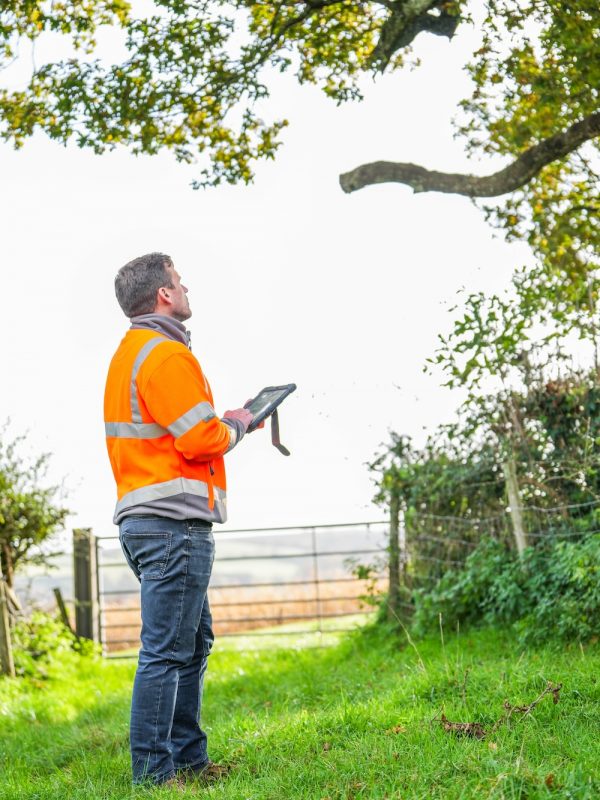
Tree Constraints Reports form the next essential stage in the BS5837 planning process, building on the baseline data gathered during the initial tree survey. These reports identify and map all arboricultural constraints that could influence the design and layout of a proposed development, helping planners and architects understand how existing trees will interact with new buildings, infrastructure and landscape features.
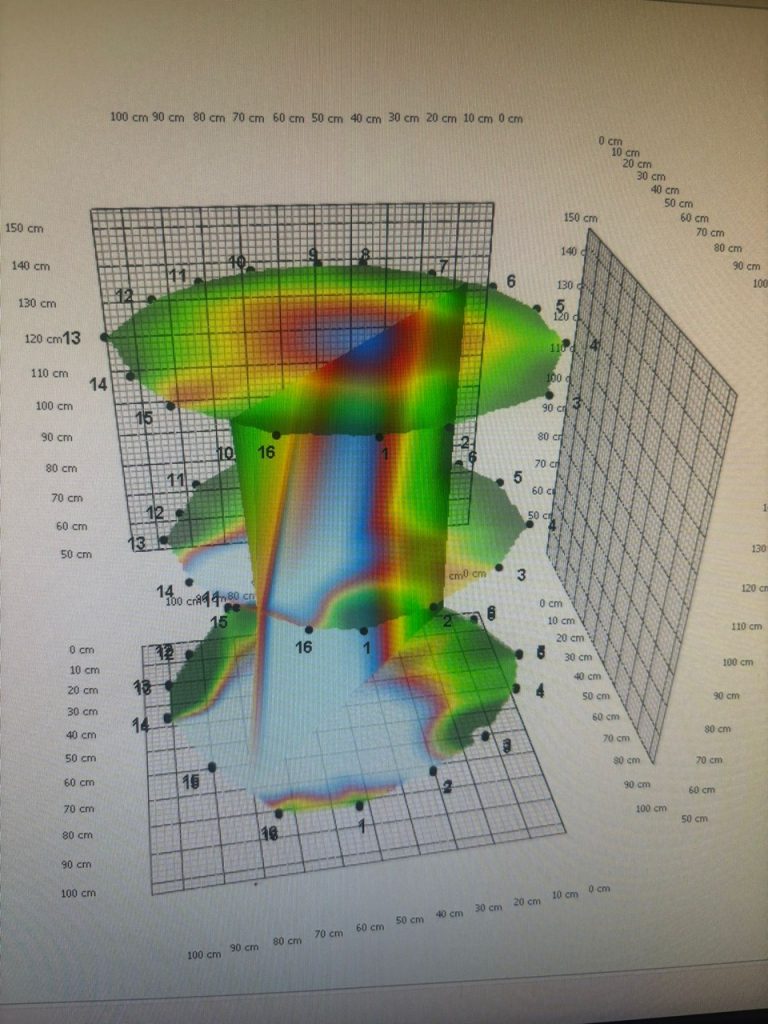
A TCP considers both above-ground constraints—such as canopy spread, future growth potential, shading patterns, low branches, and the tree’s visual prominence—and below-ground constraints, primarily the Root Protection Area (RPA). The RPA represents the minimum area around each tree that must be safeguarded during construction to avoid damaging vital rooting systems.
All trees are also assigned a BS 5837:2012 quality category (A, B, C or U), highlighting their relative value in terms of condition, longevity and amenity contribution. Understanding tree quality helps project teams prioritise retention, evaluate design options more effectively, and identify where removal or replacement may be appropriate.
By outlining these constraints clearly at an early stage, the TCP supports efficient, informed decision-making. It helps designers avoid conflict between proposed structures and important trees, reduces the likelihood of planning delays, and contributes to sustainable site layouts where trees and development coexist successfully. Our reports are precise, easy to interpret, and structured to meet local authority expectations, ensuring a smoother path through the planning process. Get in touch with us today!