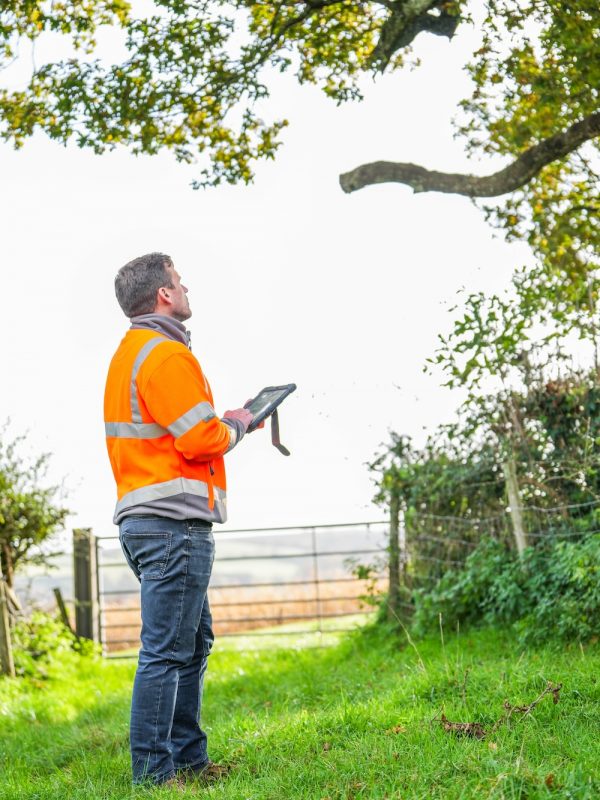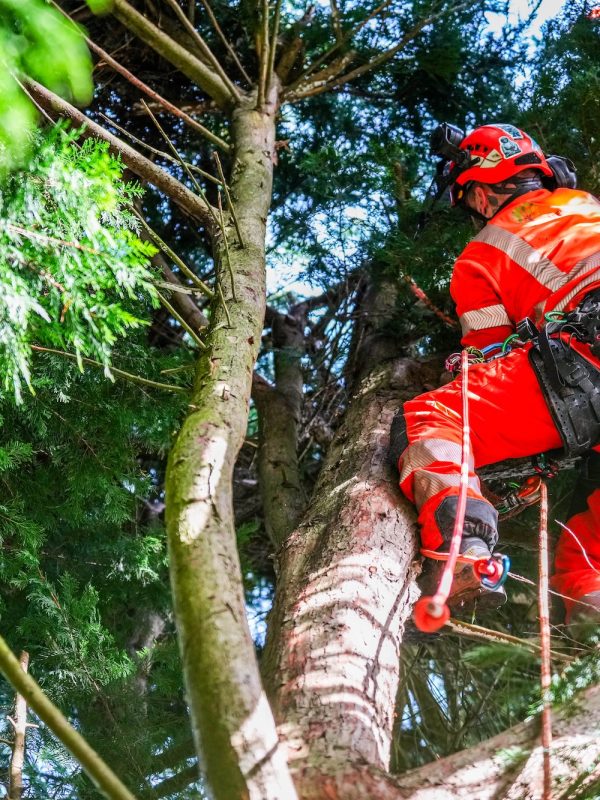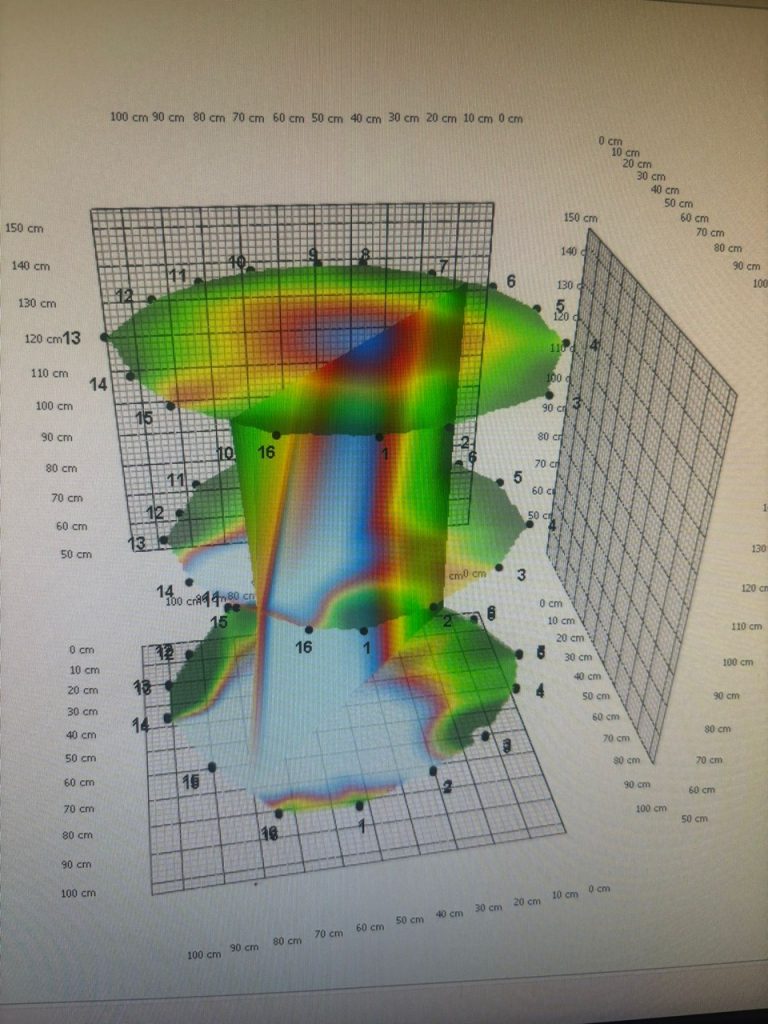
Veteran trees—distinguished by their age, size, form or exceptional ecological value—require highly specialised assessment and management within development contexts. These trees often support significant biodiversity, provide important cultural or historical associations, and offer irreplaceable habitat features such as cavities, deadwood and complex microhabitats. As a result, they demand careful consideration during planning and design. Our veteran tree assessments evaluate structural condition, physiological health, ecological value, and the potential risks associated with retaining these important specimens. We identify features of special interest, assess the sensitivity of the surrounding environment, and determine any threats posed by proposed development activities.
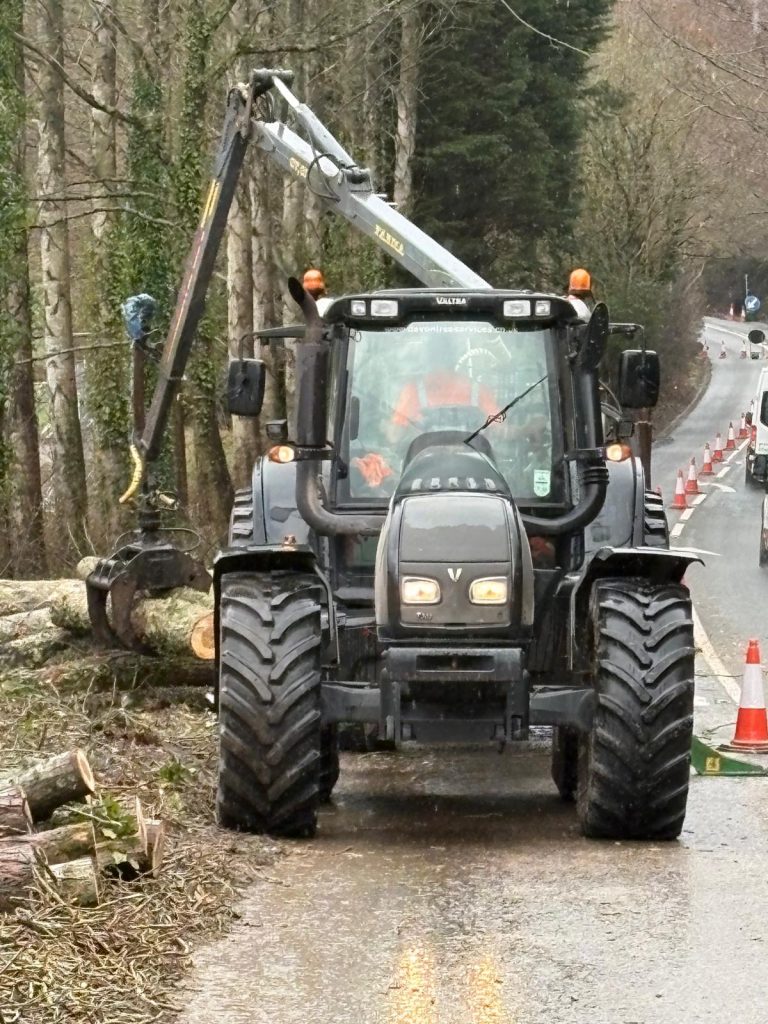
From this, we develop clear, practical conservation strategies. These may include establishing generous buffer zones, designing around key habitat features, implementing phased or minimal intervention works, or recommending specialist engineering solutions to avoid disturbance. Where necessary, we also provide guidance on long-term management, monitoring schedules and habitat enhancement opportunities.
Preserving veteran trees not only helps protect vital ecological resources but also strengthens the environmental credentials of a development. It can support planning approval, reduce the likelihood of conflict with conservation groups and demonstrate a responsible, sustainable approach to landscape design.
With expert advice and sensitive management, veteran trees can become valuable assets within a development, contributing character, heritage value and long-term ecological benefit. Contact our experts today!