Once you understand what sweet chestnut blight is and how to recognise possible symptoms, the next question is straightforward: what should you do if you are concerned about a tree?
Because sweet chestnut blight is a regulated quarantine pest, there are specific legal responsibilities that apply across Great Britain—and additional requirements within Devon’s designated control zone.
Taking the correct steps early is essential, both to remain compliant and to help limit the spread of the disease.
A Notifiable Disease: Your Legal Duty to Report
Sweet chestnut blight is officially classified as a quarantine pest, meaning that suspected cases must be reported.
This obligation applies to:
- Homeowners
- Woodland and estate owners
- Land managers
- Contractors working on affected sites
If you suspect sweet chestnut blight, you should:
- Report the case using the TreeAlert online portal (or the relevant system in Northern Ireland)
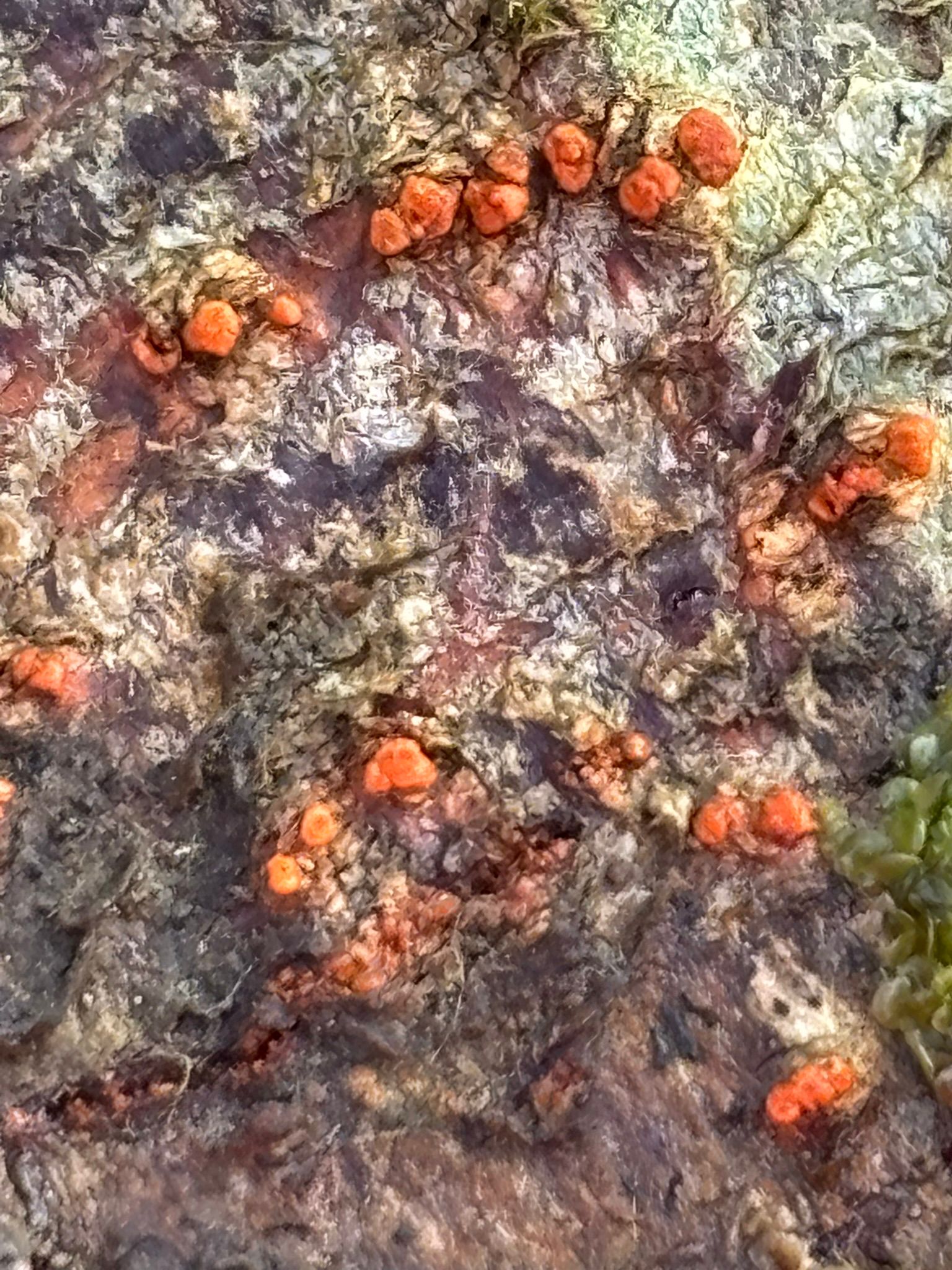
- Provide clear, well-focused photographs showing symptoms such as cankers and bark changes
- Include an accurate location to assist plant health inspectors
Just as importantly, you must not interfere with the site unnecessarily.
This means:
- Do not cut, prune, or fell the tree
- Do not move timber, bark, brash, or soil
- Do not attempt to destroy affected material
Plant health inspectors may issue a Statutory Plant Health Notice, which sets out legally binding requirements. These may include felling, disposal, or specific handling procedures for infected material.
Acting independently without guidance risks spreading the disease and may lead to enforcement action.
Additional Rules Within Devon’s Demarcated Area
Following the confirmed outbreak, a demarcated area (Demarcated Area No.1) has been established in parts of Devon. Within this zone, stricter plant health controls apply to sweet chestnut trees and related material.
Key requirements include:
- Advance notification: You must notify the Forestry Commission at least 30 days before felling or killing any sweet chestnut tree
- Written authorisation: Work cannot proceed without formal approval
- Restrictions on movement: Wood, bark, chips, and other potentially संक्रमित material must not be moved freely, particularly outside the demarcated area
- Controlled processing: In some cases, movement or processing may be permitted, but only where plant health authorities are satisfied there is no risk of spread
These rules operate alongside existing controls, including:
- Plant passport requirements
- Import restrictions on Castanea plants and products
- Biosecurity guidance for landowners and contractors
For homeowners, this may affect decisions around pruning or removal. For woodland and estate managers, it has broader implications for operations, harvesting, and timber transport.
Practical Steps: Biosecurity and Planning
Whether you are inside or outside the demarcated area, good biosecurity practice is essential when working with sweet chestnut.
Simple, practical steps include:
- Cleaning tools, equipment, boots, and vehicle wheels after working on or near sweet chestnut trees
- Removing bark, sawdust, and soil that could carry fungal spores
- Avoiding movement of logs, firewood, or woodchip between sites unless you are confident it complies with current guidance
- Planning works carefully, allowing time for notifications, permissions, and inspections where required
These measures help reduce the risk of accidental spread between sites and support wider containment efforts.
How Professional Support Can Help
The rules surrounding sweet chestnut blight do not exist in isolation. They often overlap with:
- Tree Preservation Orders (TPOs)
- Conservation Area controls
- Felling licence requirements
- Health and safety obligations
This can make it difficult to determine what action is appropriate and lawful, particularly where multiple regulations apply at once.
Seeking professional advice early can help you:
- Avoid delays caused by incorrect or incomplete applications
- Ensure compliance with plant health and planning legislation
- Reduce the risk of enforcement action
- Make informed, proportionate decisions about tree management
How Devon Tree Services Can Assist
At Devon Tree Services, we are trained in current plant health guidance, including the latest control measures relating to sweet chestnut blight in Devon.
We can support you with:
- Assessing whether symptoms are consistent with sweet chestnut blight
- Advising on whether a TreeAlert report is appropriate
- Preparing clear photographic evidence and supporting information
- Planning and delivering tree work in compliance with plant health restrictions
- Coordinating with Forestry Commission guidance where required
- Managing works alongside TPO, Conservation Area, and felling licence requirements
All work is undertaken in line with BS3998:2010 Tree Work – Recommendations and relevant plant health legislation.
A Shared Responsibility
Managing sweet chestnut blight effectively relies on a coordinated approach between:
- Homeowners
- Woodland and estate managers
- Professional contractors
- Plant health authorities
Early reporting, responsible management, and adherence to legal controls give the best chance of limiting the spread of the disease across Devon and the wider South West.
Final Thoughts
If you suspect sweet chestnut blight, the most important thing is to act carefully and correctly. Do not rush into tree work or attempt to deal with the issue independently.
Instead, follow the reporting process, seek professional advice, and ensure any action taken is compliant with current regulations.
If you need guidance, Devon Tree Services can help you navigate the process clearly and confidently.
Phone: 01803 814126
Email: info@devontreeservices.co.uk