Boundary tree disputes are among the most common enquiries we receive from homeowners across Devon. Whether you’re concerned about branches hanging over your garden, roots affecting a driveway or wall, or a neighbouring tree blocking light, it can be difficult to know what your legal rights are and what the most sensible course of action might be.
The good news is that most boundary tree issues can be resolved without conflict when both parties understand their responsibilities and seek professional advice where necessary.
This guide explains, in plain English, what the law generally allows, where additional legal protections may apply, and how to manage boundary trees in a way that protects both your property and the long-term health of the tree.
Who Owns the Tree?
The starting point is usually straightforward.
A tree is generally owned by the person on whose land the trunk is rooted, regardless of where the branches or roots extend.
The property boundary may be defined by:
- Title deeds
- Boundary plans
- Fences
- Walls
- Hedges
However, particularly with older properties, boundaries are not always obvious. If there is any uncertainty, it is advisable to establish the legal boundary before carrying out any work that could affect your neighbour’s tree.
Making assumptions about ownership or boundaries can quickly turn a simple maintenance issue into a legal dispute.
Overhanging Branches: What Does the Law Allow?
One of the most common boundary issues involves branches extending over neighbouring land.
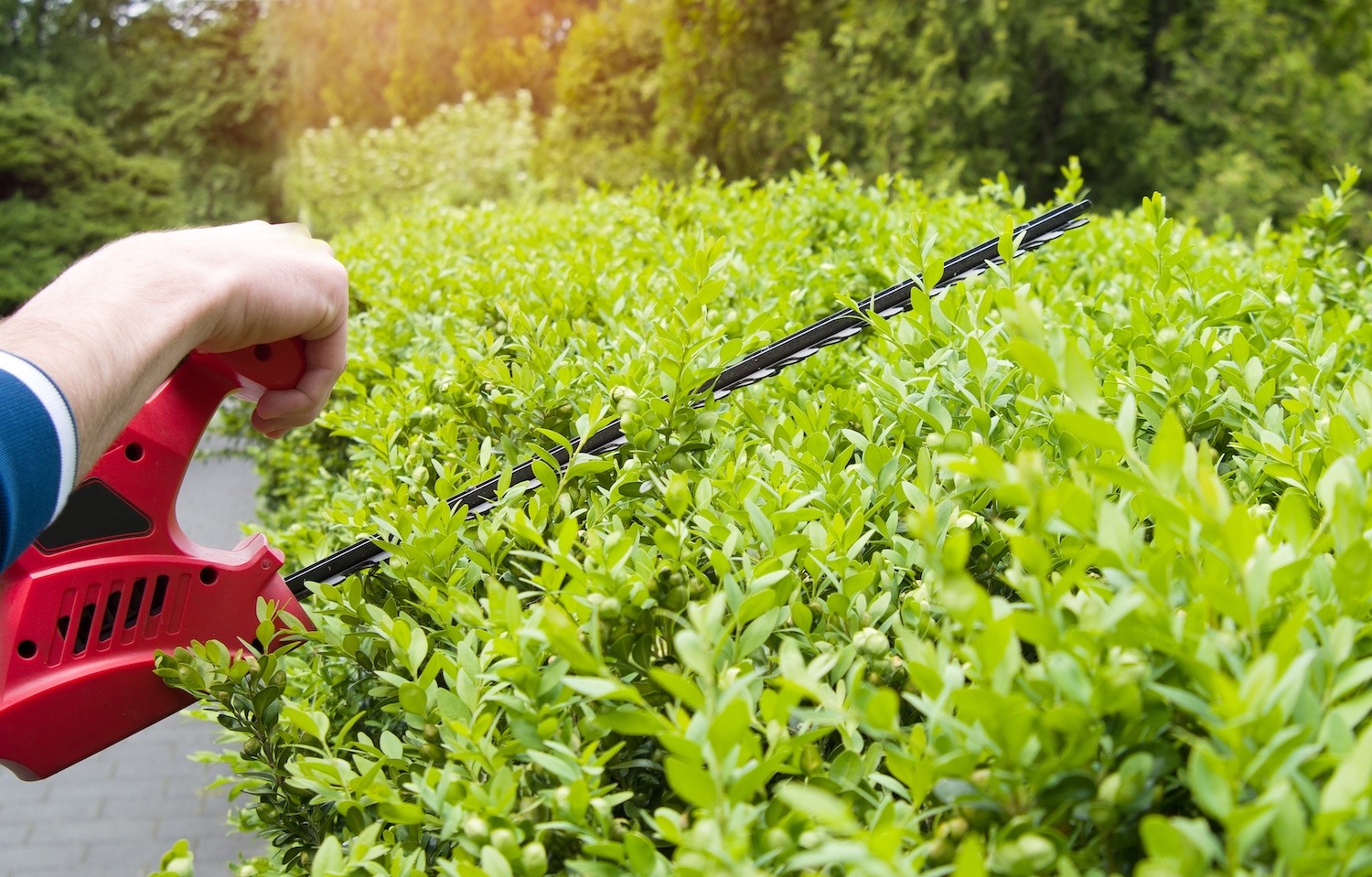
Under English law, overhanging branches are generally considered an encroachment, and you usually have the right to prune them back only to the boundary line.
However, several important rules apply.
You Must Not Enter Your Neighbour’s Property
Even if branches overhang your garden, you cannot enter your neighbour’s land to carry out pruning without their permission.
Doing so may constitute trespass.
Only Prune Back to the Boundary
Any pruning should stop at the legal boundary.
Cutting beyond this point or carrying out excessive pruning could damage the tree and potentially leave you liable for any resulting harm.
Professional pruning should also follow BS3998:2010 Tree Work – Recommendations, ensuring cuts are made correctly and the tree’s ability to compartmentalise pruning wounds is respected.
The Branches Still Belong to the Tree Owner
Many people are surprised to learn that any branches, fruit, or other material removed from the tree technically remain the property of the tree owner.
Good practice is to offer the material back before disposing of it, although many neighbours will choose not to keep it.
Avoid Creating New Risks
Removing large branches without understanding the tree’s structure may leave it unbalanced or unstable.
Poor pruning can:
- Increase the likelihood of branch failure
- Encourage weak regrowth
- Accelerate decay
- Alter the natural form of the tree
Where significant pruning is proposed, it is usually best to involve a qualified arborist.
Encroaching Roots: More Complex Than They Appear
Roots can present different challenges to overhanging branches because they are hidden beneath the ground.
In principle, you generally have the right to remove roots that cross into your property, provided the work stops at the boundary.
However, root pruning should never be approached casually.
Large roots may provide critical structural support or supply water and nutrients to the tree.
Excessive root removal can result in:
- Reduced tree stability
- Increased likelihood of windthrow
- Decline in tree health
- Long-term structural defects
Root-related issues involving:
- Subsidence
- Retaining walls
- Foundations
- Drainage systems
- Driveways
often require input from arboricultural consultants, structural engineers, surveyors, or insurers before any work is undertaken.
Professional assessment helps determine whether roots are actually responsible for the problem and what management options are appropriate.
What If the Tree Is Protected?
One of the most important considerations is whether the tree is legally protected.
If the tree is subject to a Tree Preservation Order (TPO) or located within a Conservation Area, additional legal controls apply.
In many cases, permission from the Local Planning Authority is required before carrying out work—even where the branches or roots are on your side of the boundary.
This applies because the protection relates to the tree itself, not simply the land on which the work takes place.
Unauthorised works may result in:
- Enforcement action
- Criminal prosecution
- Significant financial penalties
- Requirements to replace removed trees
Before undertaking anything more than very minor works, the tree’s protected status should always be confirmed.
A professional arboricultural consultant can:
- Check whether legal protection applies
- Advise what works may be permitted
- Prepare and submit applications where required
Communication Is Often the Best Solutio
Although the law provides certain rights, exercising those rights without discussion can sometimes damage neighbourly relationships.
A simple conversation is often the quickest route to a mutually beneficial solution.
When speaking with your neighbour:
- Explain the issue calmly and factually
- Describe any concerns about shading, debris, or potential damage
- Discuss possible solutions together
- Consider arranging a joint inspection by a qualified tree professional
If an agreement is reached, it is sensible to record it in writing, even if only by email, so there is a clear record of what has been agreed.
When Disagreements Arise
Not every situation is straightforward.
Disputes sometimes arise over:
- Responsibility for maintenance
- Extent of pruning
- Alleged property damage
- Loss of light
- Tree ownership
- Boundary location
Where discussions become difficult, mediation or legal advice may be appropriate.
However, many disputes can be resolved simply by obtaining independent arboricultural advice.
A professional assessment provides objective information about:
- Tree condition
- Structural stability
- Appropriate pruning
- Long-term management options
This often helps both parties understand the practical implications of different approaches.
When Should You Call a Professional?
Professional advice is particularly valuable where:
- The tree is large or mature
- Significant pruning is proposed
- Branches overhang buildings or public areas
- Roots may be affecting structures
- The tree appears to have structural defects
- Legal protections may apply
- A neighbour dispute is developing
An experienced arborist or arboricultural consultant can explain the likely effects of pruning, assess whether alternative management options exist, and recommend works that balance safety, property protection, and the long-term health of the tree.
Final Thoughts
Boundary trees can create genuine challenges, but they rarely require immediate or confrontational action.
Understanding your legal rights, respecting your neighbour’s property, and considering the long-term value of the tree usually leads to better outcomes than acting hastily.
By approaching the situation calmly and seeking professional advice where appropriate, most boundary tree issues can be resolved safely, legally, and without unnecessary conflict.
At Devon Tree Services, we regularly advise homeowners across Devon on boundary tree matters, Tree Preservation Orders, root-related concerns, and neighbour disputes. Whether you need practical guidance, professional pruning, or an independent assessment, our experienced team can help you find the most appropriate solution for both your property and your trees.