If you’re a homeowner, landowner, school, business, or site manager, you may have asked:
“Do I need a tree risk assessment?”
Perhaps you’ve noticed a tree leaning after a storm, brittle branches overhanging a public path, or fungal growth at the base of a mature oak. These are all good reasons to take a closer look—not just to identify risk, but to manage it proportionately.
This guide explains what a tree risk assessment involves, when it’s necessary, and why it matters for anyone responsible for trees in the UK.
What Is a Tree Risk Assessment?
A tree risk assessment is a structured evaluation of:
- Visible defects or structural weaknesses in trees
- The likelihood of failure under normal or adverse conditions
- The potential consequences of failure (to people, property, or access routes)
- The appropriate management response—ranging from observation to remedial works
It’s a process that supports informed, proportionate decisions about tree safety. Not every defect indicates danger, and not every hazardous-looking tree requires action. A tree risk assessment helps clarify what does and doesn’t need intervention.
The process follows National Tree Safety Group (NTSG) guidance, which encourages a balanced, risk-based approach. The aim is not to eliminate risk entirely but to reduce it As Low As Reasonably Practicable (ALARP).
When Is a Tree Risk Assessment Necessary?
You don’t need a risk assessment for every tree on your property. However, you should consider one if:
- The tree is located near a high-use area such as public footpaths, driveways, schools, or outdoor seating
- You’ve noticed visible signs of concern, including cracks, leaning, deadwood, or decay
- The land is used by the public, children, staff, or tenants
- There’s a history of storm damage or tree failures on or near the site
- Someone has reported a concern or complaint about a particular tree
You are not expected to assess every tree every year. The goal is to focus attention on trees in areas where the potential for harm is greater, or where visible defects have emerged.
What Methods Are Used?
At Devon Tree Services, we use professional, industry-recognised systems to assess tree risk:
- QTRA (Quantified Tree Risk Assessment) – This method applies numerical values to quantify risk and determine acceptable thresholds.
- VALID – A modern, evidence-based system that simplifies tree risk assessments while maintaining consistency with NTSG principles.
Both methods are aligned with current best practice and support clear documentation, allowing landowners to demonstrate reasonable and responsible tree management.
What Does the Process Involve?
A typical tree risk assessment includes:
- Site Visit and Risk Zoning
We identify high- and low-use areas based on public access and use patterns. - Visual Tree Assessment (VTA)
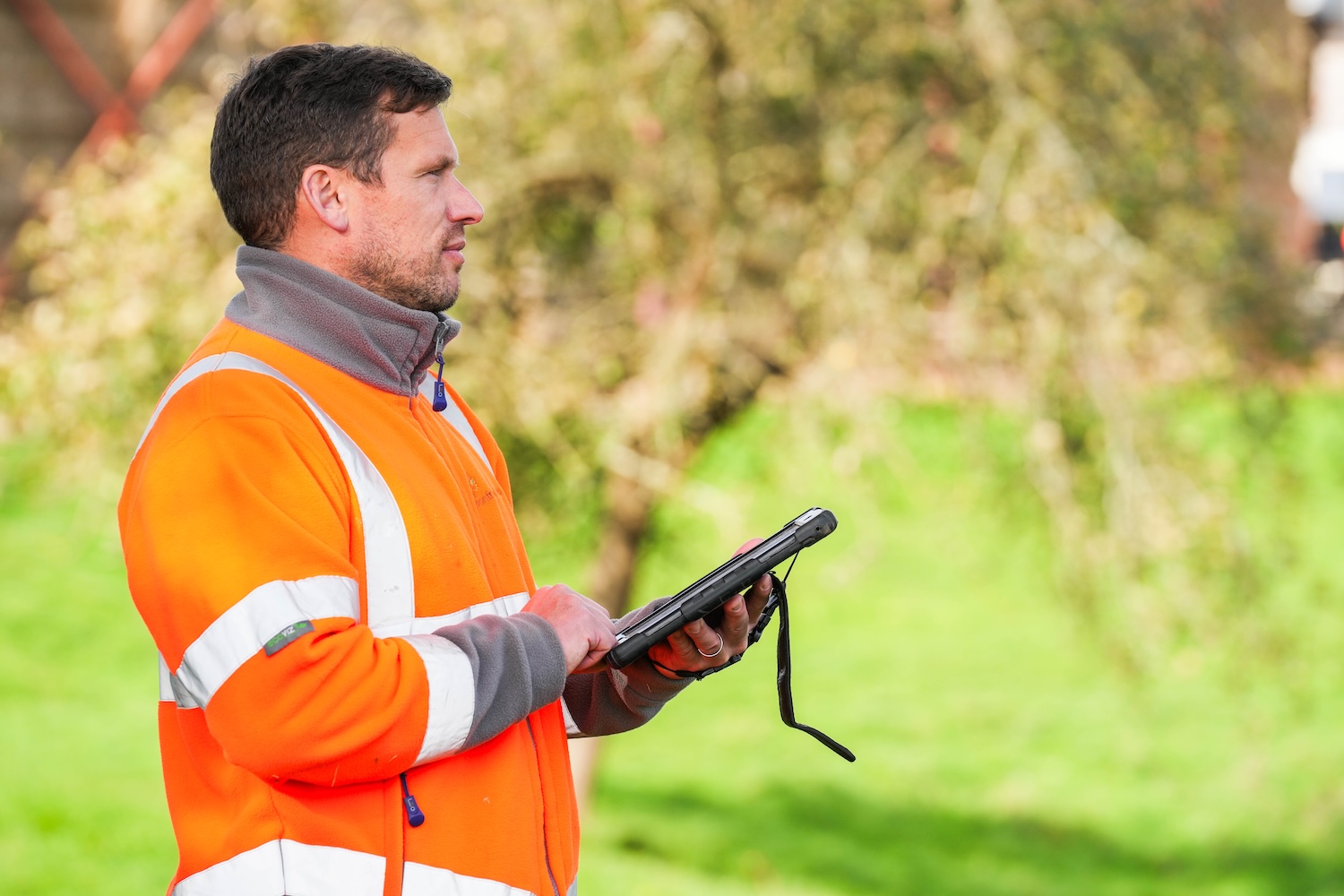
Our assessor observes key indicators of health and structure, such as canopy density, root movement, decay fungi, and branch attachments. - Defect Identification
We assess for issues including:- Deadwood or broken limbs
- Fungal fruiting bodies
- Cavities, cracks, or weak unions
- Root plate movement or soil disruption
- Risk Evaluation
Using QTRA or VALID, we assess the likelihood of failure and the consequences if failure occurs. - Recommendations
We advise whether:- No action is needed
- Monitoring or reinspection is appropriate
- Pruning, bracing, or reduction should be carried out
- Removal is required (only if necessary and justified)
- Documentation
A written report summarising our findings and proposed actions is provided, forming a defensible record of your tree management.
Why Is a Tree Risk Assessment Important?
A tree risk assessment:
- Helps prevent harm to people and property
- Demonstrates compliance with your legal duty of care
- Avoids unnecessary removal of healthy or structurally sound trees
- Reduces long-term management costs by addressing issues early
- Aligns with BS3998:2010 Tree Work – Recommendations and NTSG best practice
If a tree incident does occur, having an assessment on record shows you have taken appropriate steps to manage risk.
Legal Responsibilities
All landowners and occupiers have a legal duty to take reasonable steps to prevent foreseeable harm from trees under their control.
The test of “reasonable foreseeability” is key. Courts assess whether a responsible person in your position would have taken similar actions based on the evidence available. A tree risk assessment helps show that your approach was appropriate and proportionate.
Bear in mind:
- Works to trees protected by a Tree Preservation Order (TPO) or located in a Conservation Area may require consent, even if the work is safety-related.
- Removing dead branches from a living tree usually doesn’t need permission, but removing dead trees does require a 5-day notice.
- In emergencies, urgent works can be carried out with immediate notification to the local authority.
Final Thought: Make Informed, Proportionate Decisions
A tree risk assessment is not about being risk-averse—it’s about understanding your trees, assessing how they interact with their surroundings, and responding appropriately.
It protects people, property, and the long-term health of your trees while helping you comply with legal obligations and best practice.
Need a Tree Risk Assessment in Devon?
Devon Tree Services are fully trained in QTRA and VALID methodologies, and provide expert advice in line with BS3998:2010 and NTSG guidance.
We help homeowners, schools, landowners, and commercial clients across Devon make safe, sustainable, and proportionate tree care decisions.
Get in touch today to arrange your assessment.
01803 814126
info@devontreeservices.co.uk
www.devontreeservices.co.uk